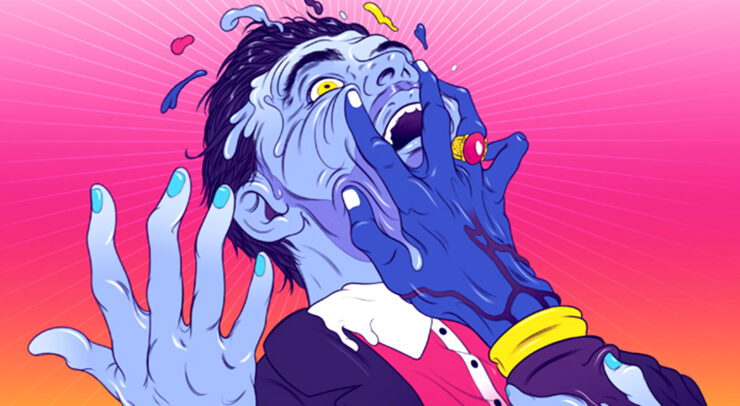
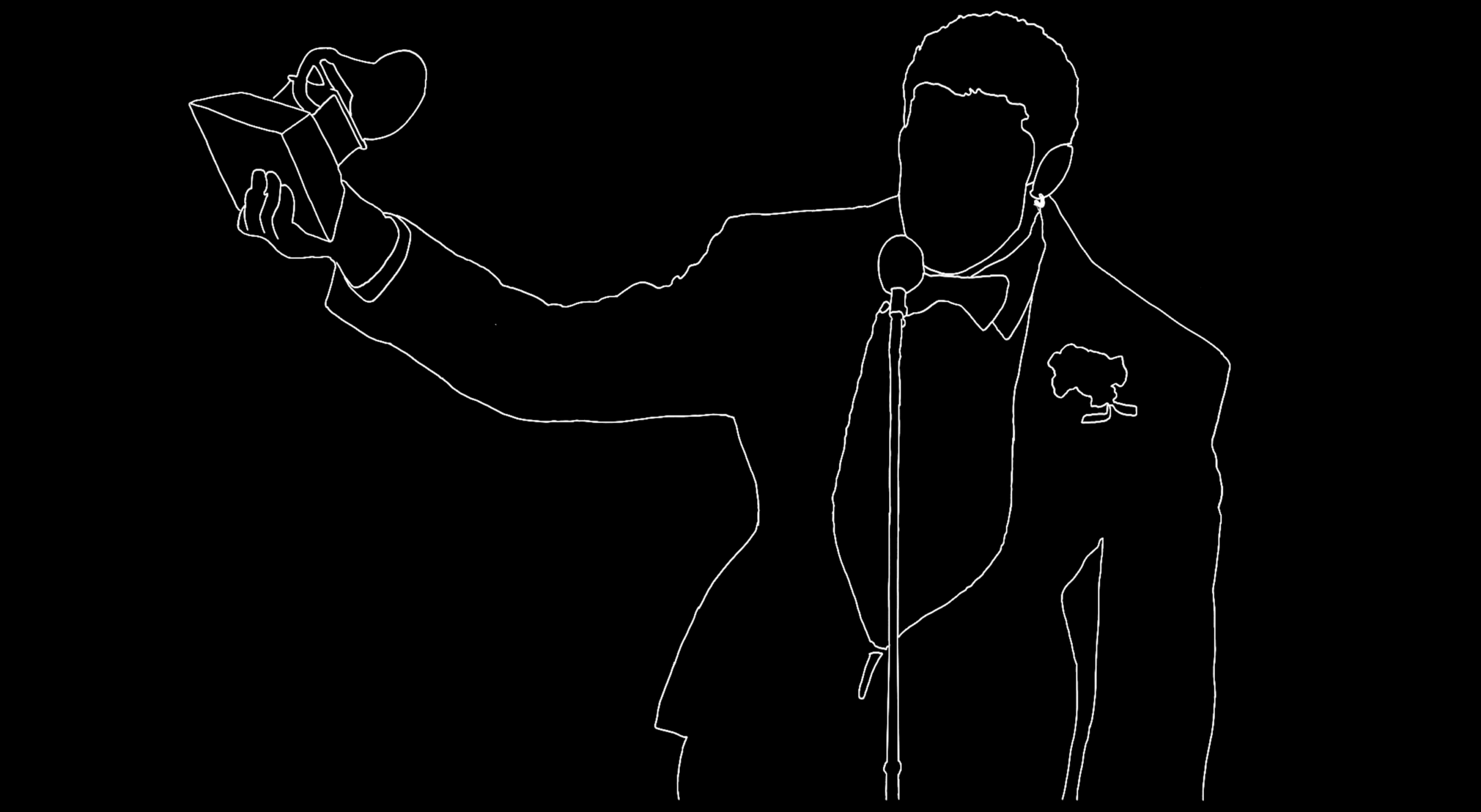
DESPITE BAD BUNNY’S HISTORIC WIN AT THE 68TH ANNUAL GRAMMY AWARDS, THE RECORDING ACADEMY’S ATTEMPTS OF INCLUSIVITY AND DIVERSITY FALL SHORT
Music’s most anticipated night, the 68th annual GRAMMY Awards, aired Feb. 1 under the roof of the Crypto.com Arena in Los Angeles, California. This year’s ceremony was unique, as protests against President Trump’s acceleration of the U.S. Immigration and Customs Enforcement (I.C.E) deployment rang through the same weekend, only a few miles away from the prestigious ceremony. Artists such as Billie Eilish, Olivia Dean, and Bad Bunny denounced I.C.E in their acceptance speeches, with such statements like “[…], no one is illegal on stolen land.”
Using a stage like the GRAMMYs to reiterate popular political statements about current events is nothing new, and it allows such statements to reach new audiences. At surface level, the Recording Academy receives these statements positively, with the academy’s CEO, Harvey Mason Jr., loosely echoing anti-I.C.E. sentiments, “As we watch what’s unfolding across America and around the world, it can be easy to feel overwhelmed, even helpless.” However, institutions such as these continue to uphold harmful systems, while simultaneously clinging onto a facade of diversity and social progress.
One of these systems is the Global Music Diplomacy Initiative, a collaboration between the Recording Academy and the U.S. Department of State, with the purpose to allow the collaboration of individuals or groups in artistic and athletic professions to engage in “cross-cultural understanding and advance peace abroad” with the exclusive interest in the nation’s advancement. In other words, through state-sanctioned funding and the use of cultural diplomacy, the U.S. may use cultural actors to propel their self-serving agendas.
Unfortunately, the use of cultural diplomacy isn’t new to U.S. history; The U.S. State Department had used the jazz ambassador program, not only as a tool to cultural imperialism during the Cold War, but also as a tool to construct a false narrative of “racial harmony to offset the bad press about racism” in their own country. As the Recording Academy associates themselves with such a harmful history, one must wonder if this institution truly cares about disenfranchised folks.
In recent years, over 3,000 new members have joined the Academy, and over 50% of them are BIPOC. This year’s ceremony was especially significant, with Durand Bernarr, a Black, queer, self identified butch queen, and independent artist winning Best Progressive R&B Album, as well as awarding a Lifetime award to Fela Kuti, a Nigerian musician and political activist, making him the first African artist to have received this.
And one cannot forget the Recording Academy awarding Bad Bunny with the prestigious Album of the Year award for his album Debi Tirar Mas Fotos; a love letter to his home, Puerto Rico, discussing “themes of migration, displacement, and the fear [that] colonialism may erase [Puerto Rico] cultural identity.”
These actions may present themselves as legitimate steps from the Recording Academy towards an inclusive institution. However, rather than engaging with marginalized communities to create tangible and sustainable change, these institutions will continue to turn against these communities in favour of historically oppressive systems. It is important that we centre our celebrations towards the artists who challenge institutionalized oppression, and delegitimize the Recording Academy, who do not serve, nor properly recognize disenfranchised communities.
It is also imperative that we extend this delegitimization towards other institutions who pander towards marginalized communities public for approval. For instance, as Bad Bunny transformed the Levi’s Stadium into a little Puerto Rico for his Super Bowl Halftime performance, the institution of the National Football League (NFL) continue to support and honor “the service and sacrifice of [the U.S.] military;” the same military whose facilities in Puerto Rico have recently been reused for “a vast U.S. military deployment throughout the Caribbean,” continuing the U.S.’s long tradition of settler colonialism under the guise of “national security.”
These institutions will always have their interest guided by the state powers. Let us be aware of their predatory tactics used to cater to marginalized communities through their thin progressive facade.