CAPITAL PRIDE PARADE CANCELLATION BRINGS A SPOTLIGHT ON THE ROLE OF RAINBOW CAPITALISM IN PRIDE
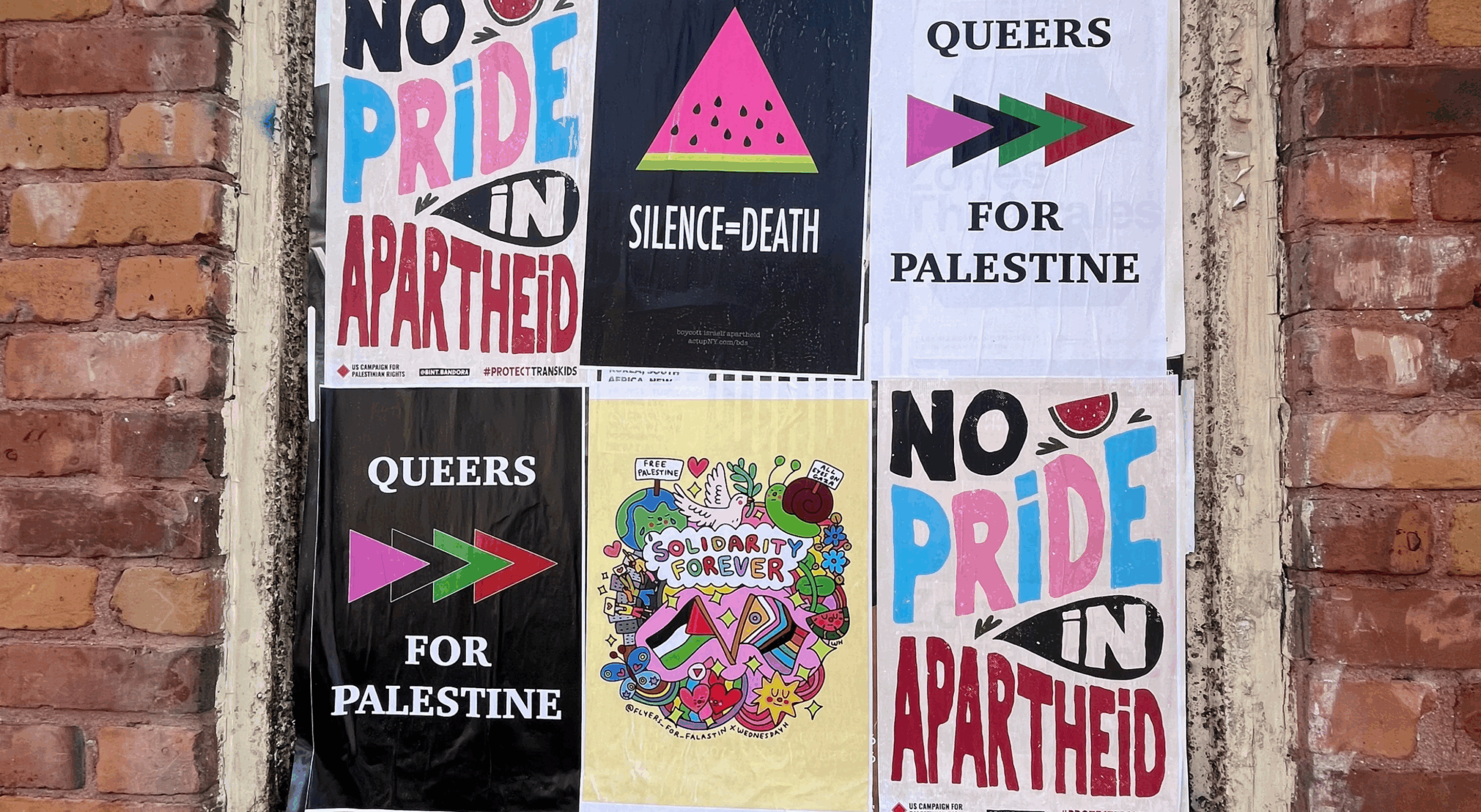
On Aug. 24, at 1 p.m., Capital Pride’s appointed Grand Marshal, Miss Patience Plush commenced the long-anticipated Capital Pride Parade near Confederation Park. In the days leading up to this event, Miss Plush announced they would be accompanied by the organization, Queers For Palestine Ottawa, as they led the parade down Elgin and Wellington.
The front of the parade came to a halt on O’Connor and Wellington, with Queers For Palestine restating their demands to “reinstate [Capital Pride’s] 2024 Statement of Solidarity with Palestine” and for Mayor Sutcliffe to “apologize to the community for [2024’s] boycott.”
After an hour of discussion between the two organizations, Capital Pride made the executive decision to cancel the parade, later attributing the blame to Queers For Palestine’s refusal to “have a meaningful discussion about how to move forward.” Mayor Sutcliffe added in his own statement, claiming that Queers For Palestine and their supporters stripped “[the parade-goers] opportunity to participate in the celebration of joy, resilience, and community.”
These statements led to the harassment of the Grand Marshal and public heads of Queers For Palestine, from insults to death threats, “directly endangering the safety and well-being of [individuals] targeted.”
Despite Capital Pride’s commitment to “creat[ing] opportunities to celebrate, advocate, educate and connect” all members of the LGBTQIA+ community in Ottawa, their vilification of Queers For Palestine raises questions about their praxis as an organization. What exactly is the root of Capital Pride’s recent disregard for solidarity with Palestine?
The answer is money.
Capital Pride is a non-profit organization that heavily relies on big corporations and organizations, such as TD Bank, Rogers and the City of Ottawa, to host Canada’s second-biggest Pride festival. In exchange, these companies use these festivals to promote their products and services through multiple billboards, small street-stands with interactive activities and Pride-themed merchandise for all festival goers.
Although these companies seem to be showing their allyship, their actions display a common marketing tactic: rainbow capitalism. Major corporations are acutely aware of the “lucrative marketing demographic” members of the queer community hold in this economy. And with the current political and social shift towards the acceptance of certain LGBTQIA+ identities, companies use predatory campaigns, using “the symbols and languages of LGBTQIA+ liberation” to transform this demographic into loyal customers.
The corporations funding Capital Pride engage in rainbow capitalism, performing their allyship through a marketing approach. However, their allyship may subject to change under certain conditions.
This is reflected during Capital Pride’s 2024 summer festivities. Multiple sponsors had withdrawn from the annual parade in retaliation of Capital Pride’s, now deleted, statement allying themselves with the liberation of Palestine. As this announcement was made only a couple of weeks before the week-long festivities, the sponsors were plausibly bound through contract, which resulted in Capital Pride using the anticipated amount of funding for their celebration.
For this year’s Pride festival, with sponsors’ general opinion on the genocide in Gaza remaining stagnant, Capital Pride must have been given two choices: Relying on grassroots efforts within Ottawa’s queer community to fund the festival or backpedalling on their solidarity with Palestine to ensure the funding of their Pride celebration.
Capital Pride chose money.
Capital Pride’s reliance on monetary solutions led them to discard their values in advocating for one of their most vulnerable communities; Queer Palestinians. The conditional allyship found within Capital Pride’s administration decisions reveals the consequences of rainbow capitalism within the community and affirms the necessity to return to the roots of the meaning of Pride.
Pride is, and has always been, “an act of protest.” From New York’s Stonewall uprising in 1969 to Ottawa’s Queers For Palestine disruption at the Capital Pride parade, Pride is a call to action for liberation for all LGBTQIA+ individuals.
To ensure this definition is honoured, organizations like Capital Pride must prioritize grassroots-oriented solutions, which involve the voices of marginalized individuals within the queer community, for fundraising and administrative efforts. Rather than adopting conditional allyship tactics from corporations.