“PIQUE REMINDS ME THIS CITY ISN’T JUST MIDDLE-AGED GOVERNMENT WORKERS OR RETIREES. THERE IS STILL LIFE IN THIS SMALL CITY,” SAID SAMEY, A PIQUE REGULAR
On Saturday, Sept. 27, the artist-driven festival series, Pique, “transform[ed] the Arts Court into a playground for the avant-garde” for its 18th edition. From 9:30 a.m. to 2 a.m., festival-goers could be seen weaving in and out of film screenings, interactive workshops, and stages animated by experimental music.
Attendees noted that Pique events consistently allow them to catch up with friends, experience music and art they wouldn’t typically look for, and generally just have fun. That said, no Pique is the same, and without fan favourites like the ballroom performances, comparatively, fall Pique fell short.
“It was my least favourite Pique yet, and I’ve been coming since winter 2023. I spent more time than I would have liked walking around the building looking for things to enjoy,” says Cait.
While many Pique regulars found this year’s fall edition to be underwhelming compared to prior seasons, they remained enthusiastic for the upcoming winter edition (which will have a ball), affirming how Pique has come to be a staple of the Ottawa arts scene. In the words of attendee Samey Ahmed, if it wasn’t for Pique, “Ottawa would be asleep.”
Run by the nonprofit organization, Debaser, on a pay-what-you-can (PWYC) model, Pique offers a multidisciplinary experience that isn’t just immersive but accessible. When asked if they feel they got their money’s worth out of the ticket price, one attendee, Ehi, enthusiastically responded: “Yes for sure! I got the community PWYC tickets, and I found out you get 2 dollars back for returning the pique plastic cup. By the end of the night, I made back what I had spent on the ticket.”
With roughly 1 in 3 Pique tickets being subsidized, the Pique Sustainability Fund plays a critical role in maintaining that artistic experiences and community events don’t become luxuries reserved for the select few. As I made my way to the Arts Court, I couldn’t help but smile at the diversity of folks from an array of various ages and backgrounds that were attending.
Although the festival was well underway when I arrived at Saw Gallery for the opening reception of Spending Time, Holding Space, the Arts Court had a quiet and subdued air as the majority of the night’s 1200+ attendees would arrive much later for the evening performances.
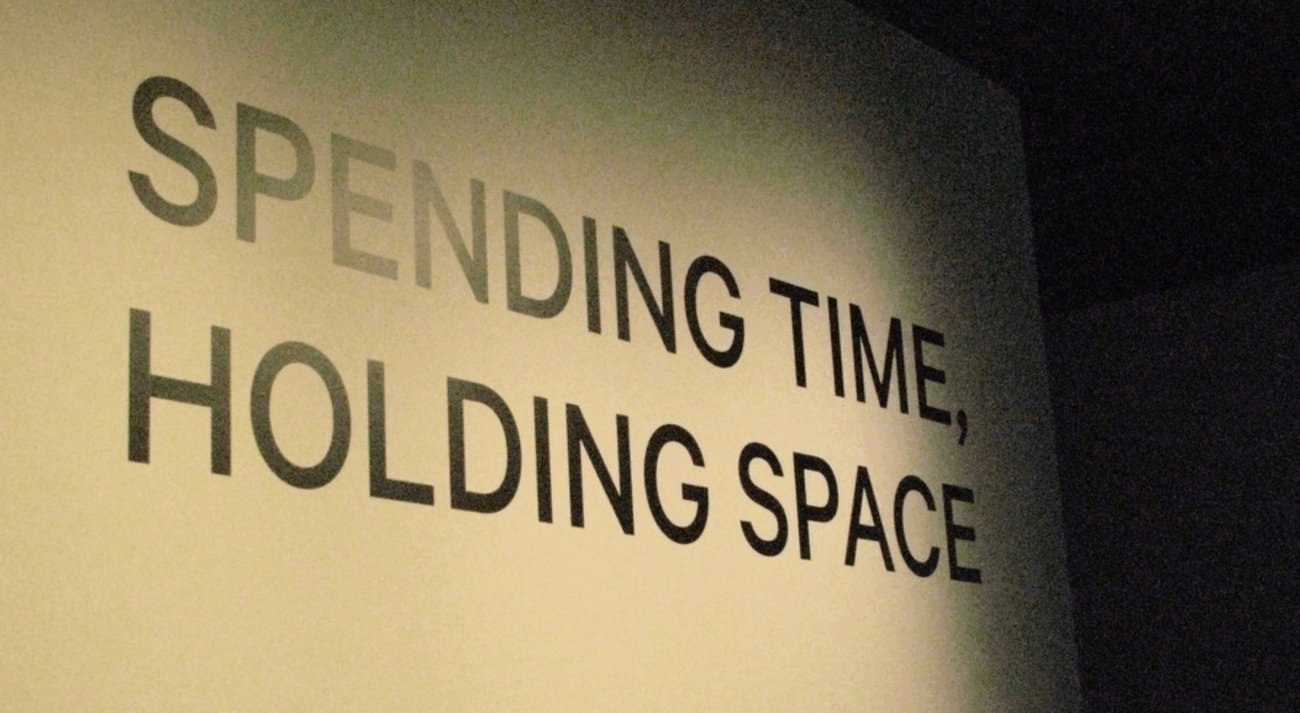
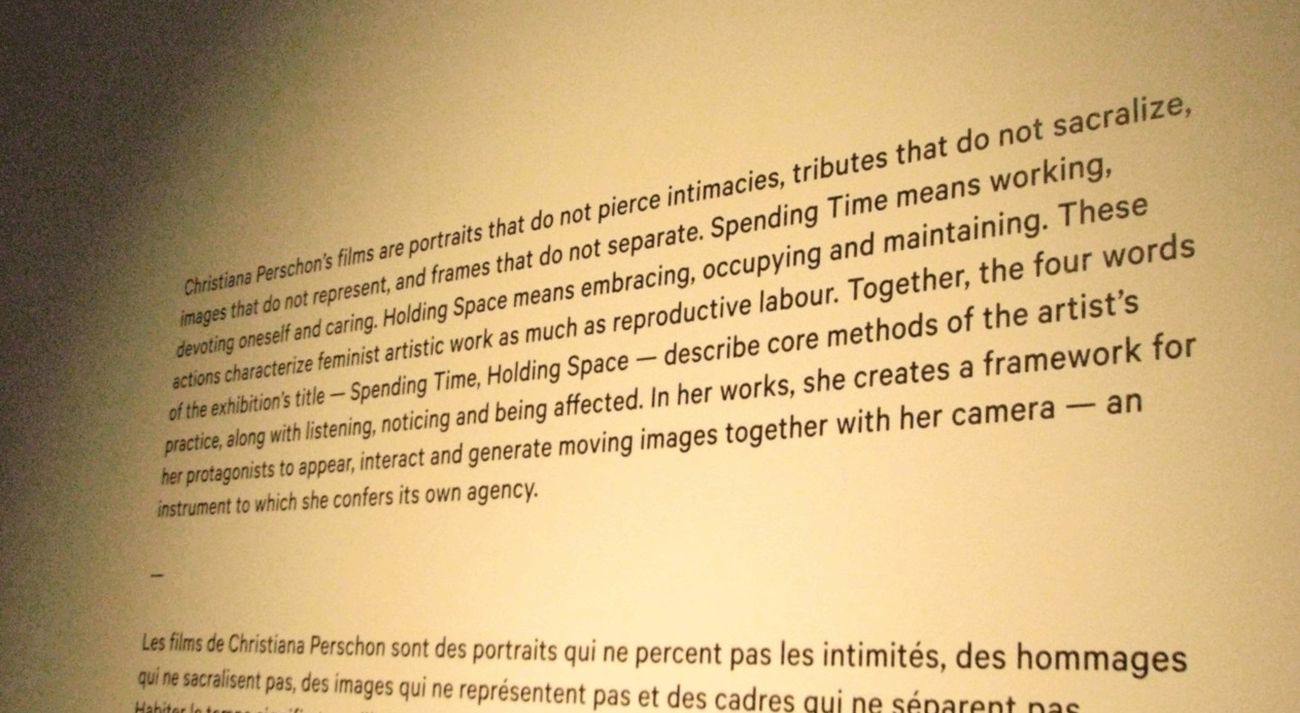
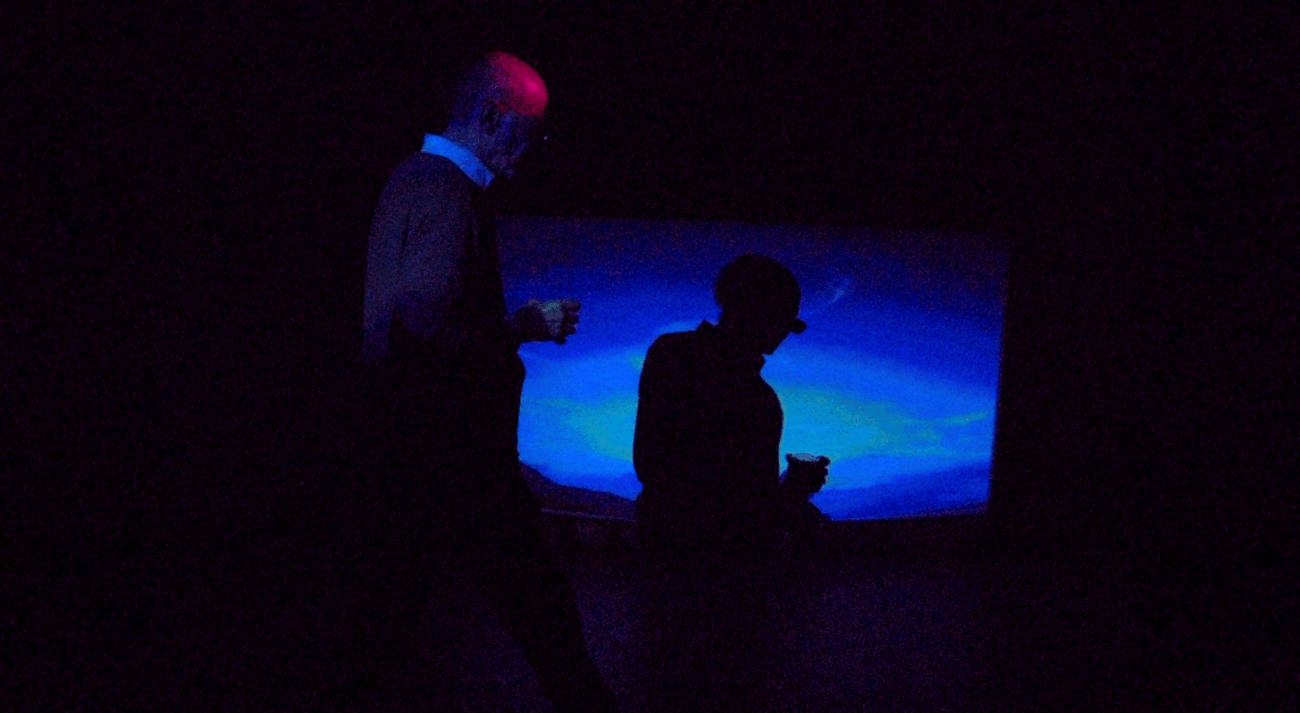
While I entered the exhibition, skeptical of its place amongst the experimental and eclectic programming, the first piece to capture my attention, a black-and-white 16mm film entitled “Friedl”, assured me of Christiana Perschon’s place at Pique. Fulfilling Pique’s promise of thoughtful artist-driven conversations, Perschon reimagined how women are portrayed on film by blurring the hierarchical divisions between the audience, the camera, and the subject in her portraits.
As one of five filmic installations that transformed the small gallery into a contemplative and critical environment, “Friedl” challenged the hegemonic male gaze by creating a dialogue of gazes. The voyeuristic element of the male gaze is uniquely obstructed in the film as the protagonist isn’t just looked at by the viewer but looks back at them. The film captures an interview with the filmmaker, Friedl vom Groller Kubelka, and is made all the more intimate and captivating by the sound of the film roll rapidly reeling and Friedl looking the camera head-on. By making the camera’s presence conspicuous, Perschon depicts her protagonists as autonomous subjects rather than consumable objects.
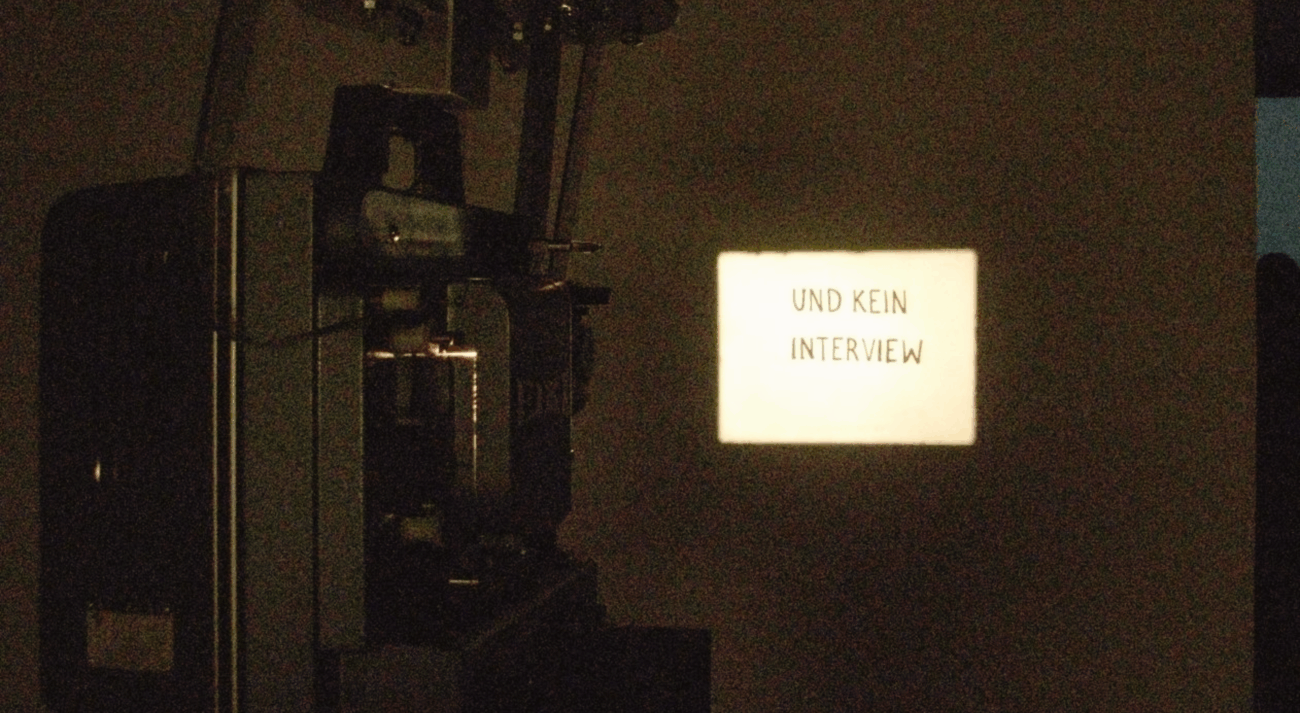
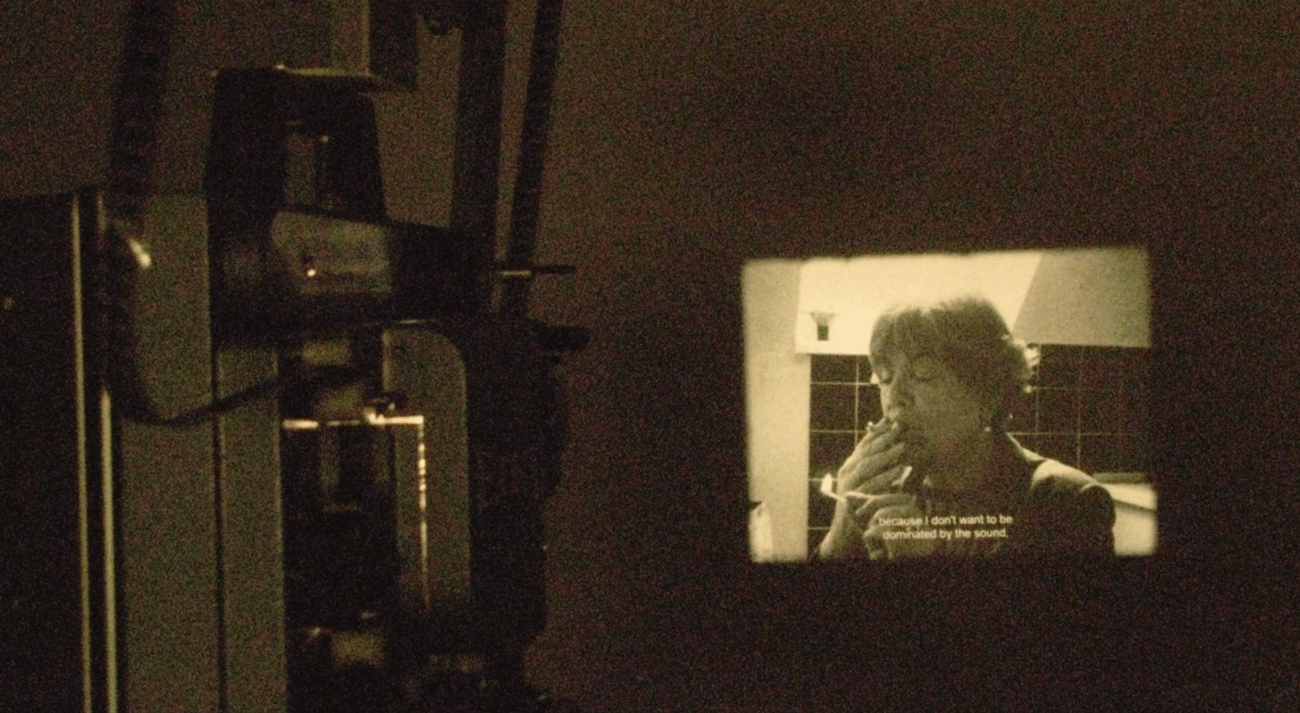
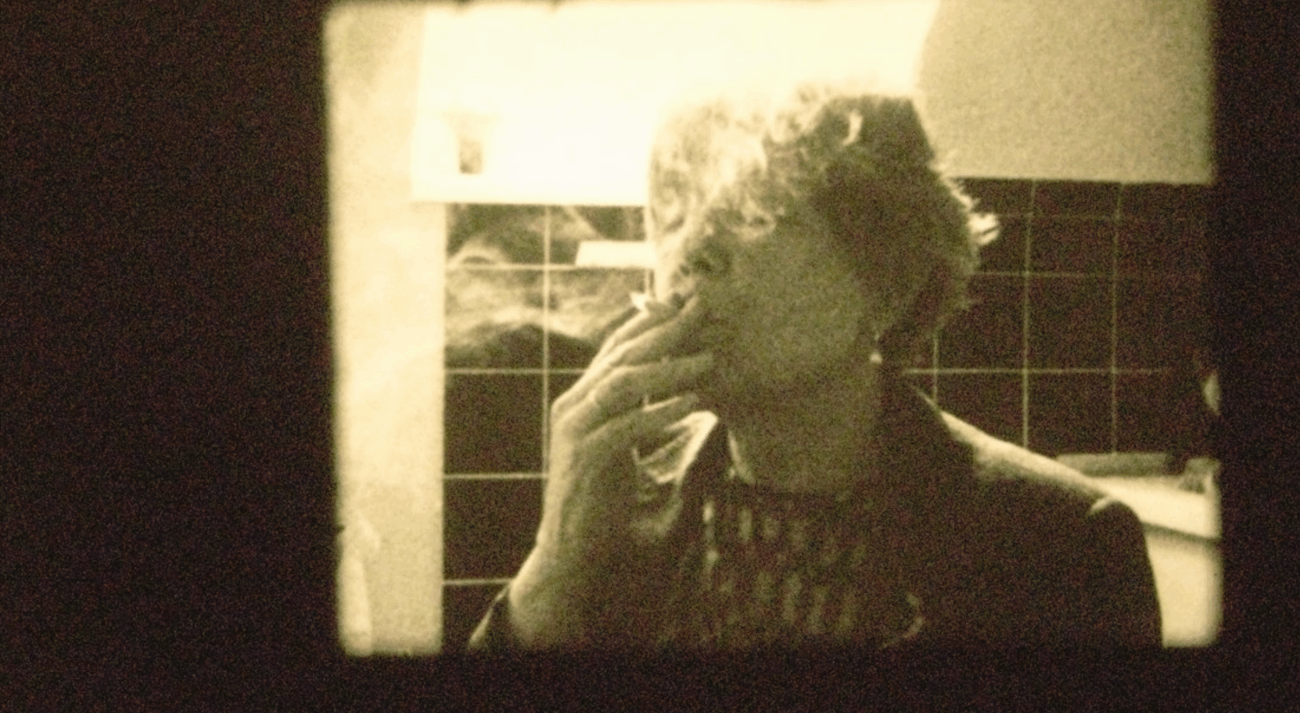
While the pieces were quite abstract and reinforced by somewhat daunting theory, the visual simplicity of how the women in the films were portrayed made Perschon’s rhetoric accessible.
As a precursor to the night’s more anticipated and lively events, Spending Time, Holding Space, stood out as an example of the diversity of Pique’s programming and paired well with daytime ToPique events.
Topique is “a semiannual forum for dialogue, learning, and exchange.” Topique events consist of curated workshops, panels, and talks that give interested attendees the opportunity to connect with and learn from artistic leaders. This learning space is often an overlooked aspect of Pique. Without it, curious and passionate individuals would miss out on the opportunity to have nuanced conversations that drive forward the art scene in Ottawa and beyond.
Pique’s densely packed schedule and overlapping events offer lots of options, but also call for some difficult choices. Torn between attending a panel on community-powered radio in the age of algorithmic playlists or sonic ecology and hyperreality, I ultimately opted for the latter. Excited to hear how sound artist Rani Jambak converted traditional waterwheels into an electronic instrument called Kincia Aia, I made my way over to LabO 2.
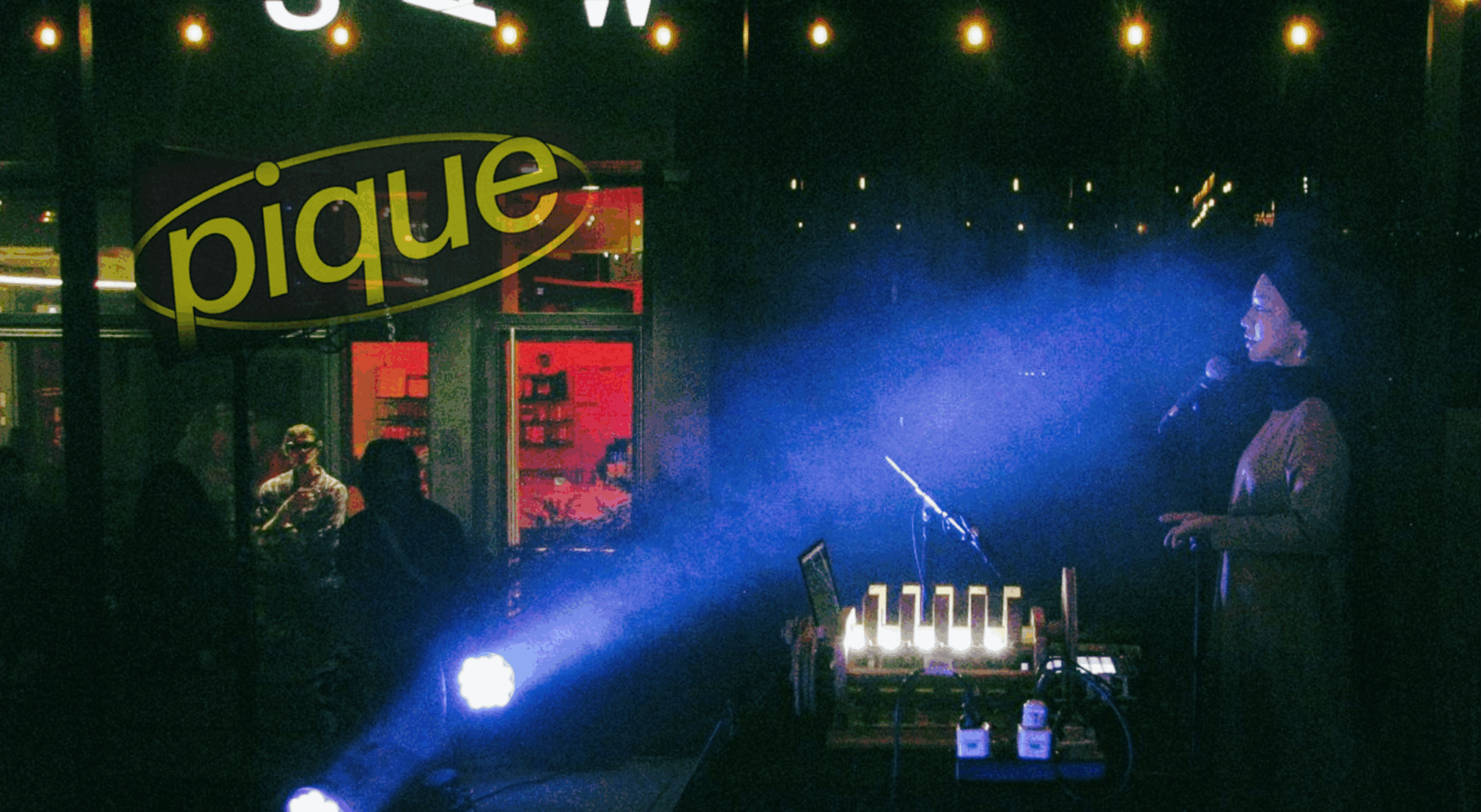
Jambak is a multifaceted Indonesian artist of Minangkabau descent. In her talk, she explained how, with the help of local farmers, she was able to synthesize her passion for electronic music with her culture by repurposing defunct waterwheels to create “a living heritage.” Although the river that coursed through the wheels dried up, Jambak rebirthed the nostalgic soundscapes by digitally weaving them through her performances on the Kincia Aia.
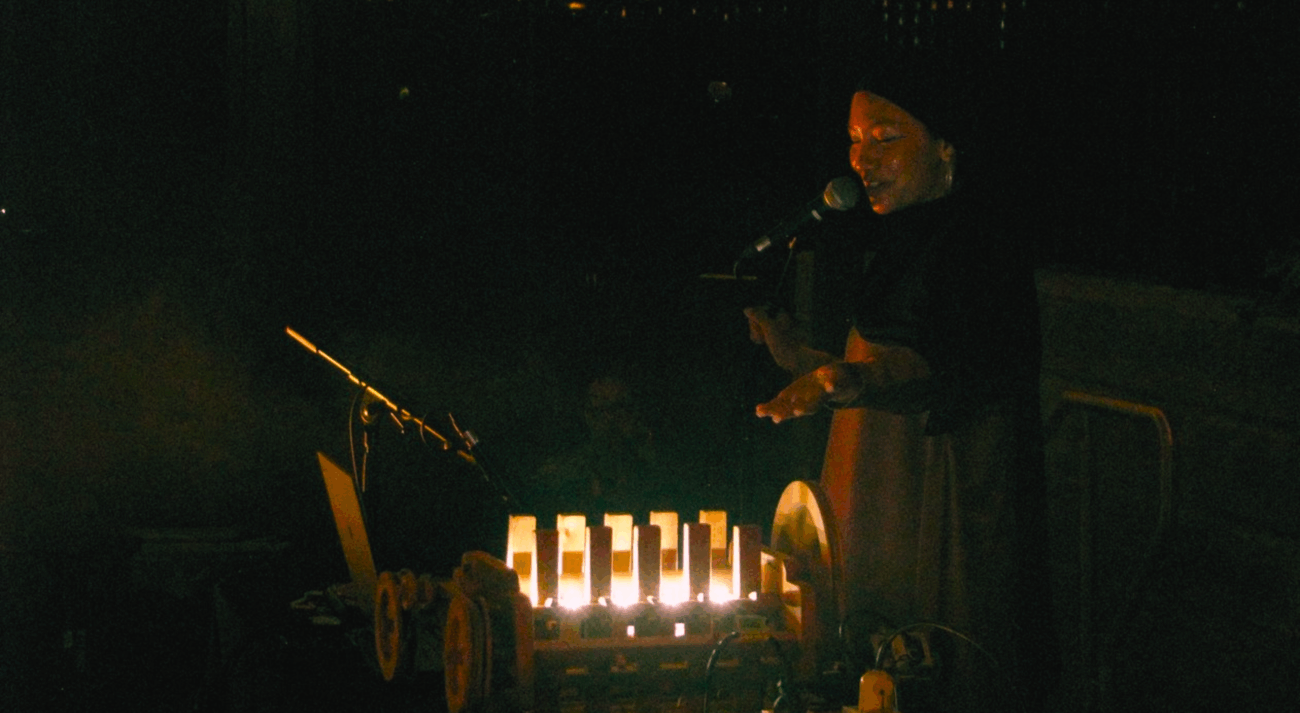
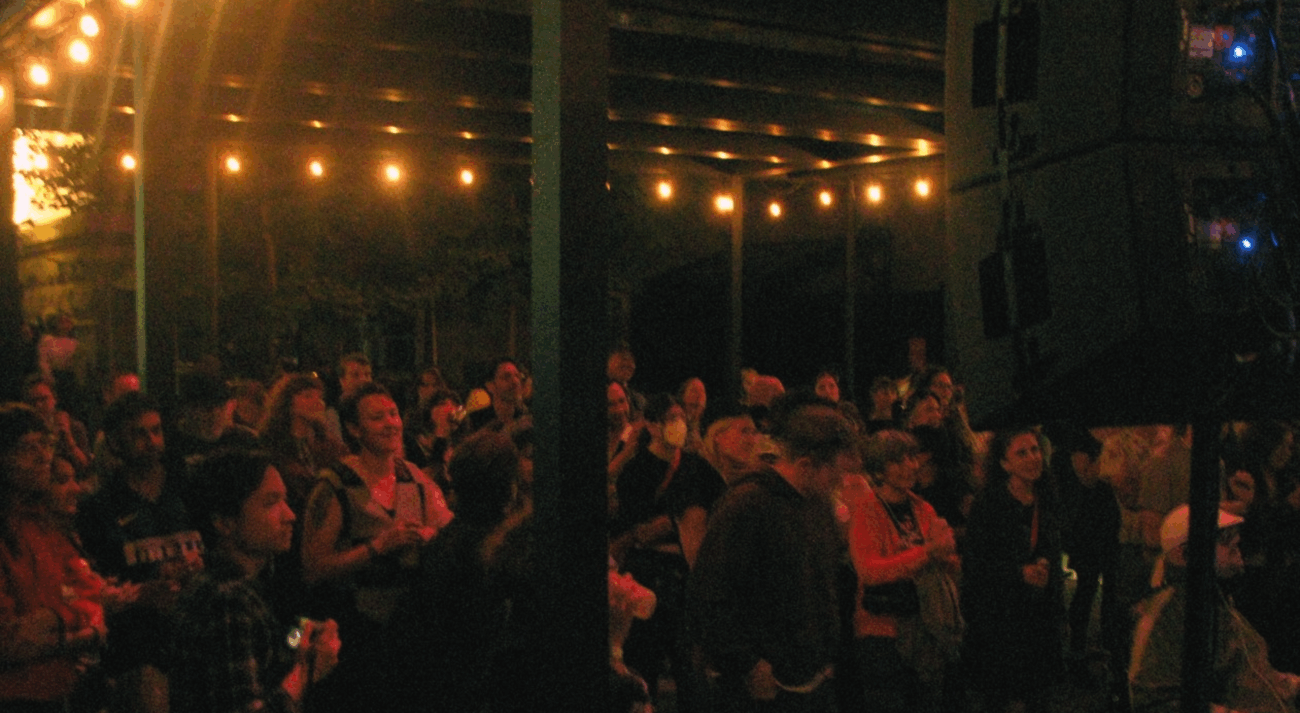
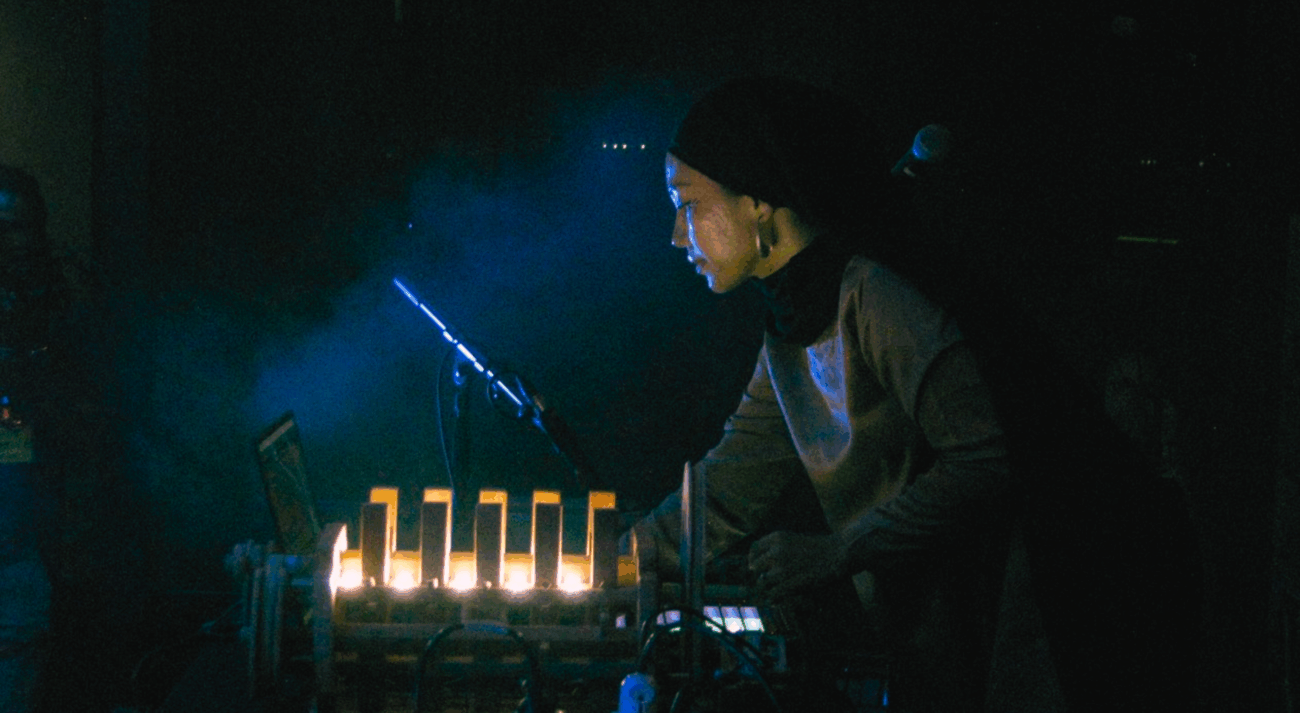
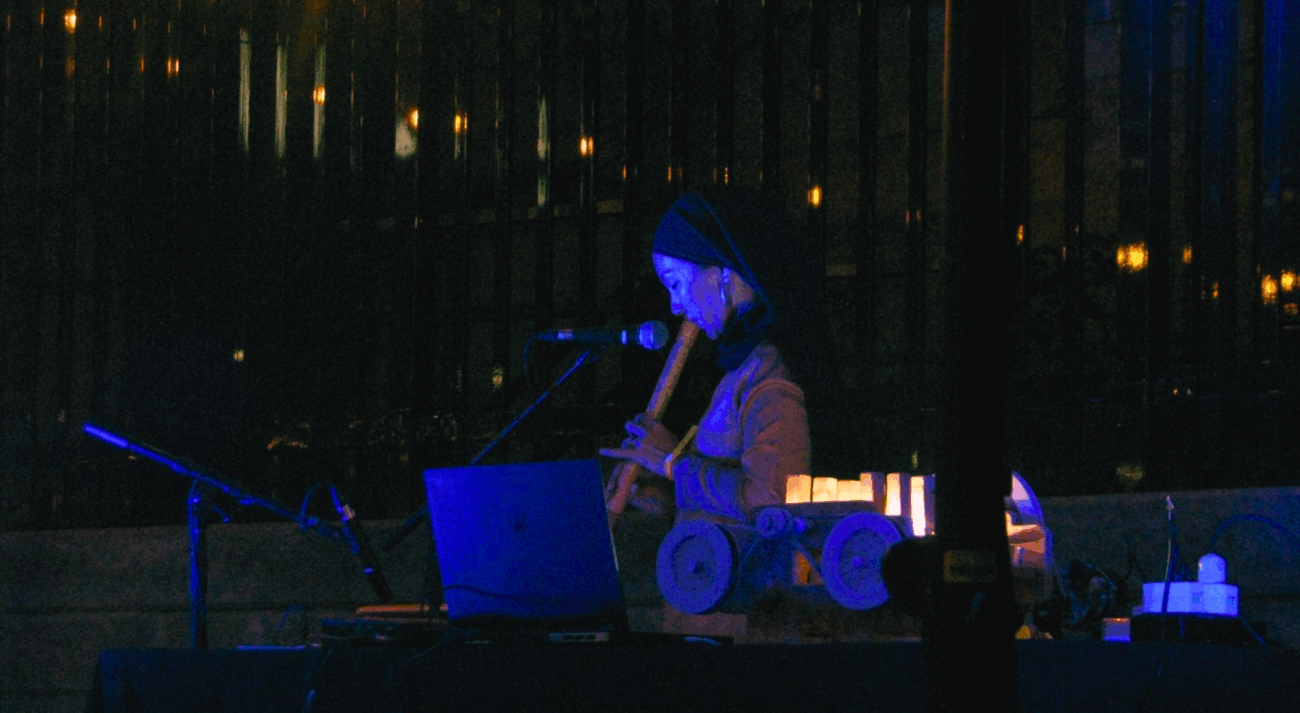
Having heard the story behind the instruments’ creation, when I saw Jambak perform in the SAW Courtyard later that evening, I was truly in awe. She held the attention of a sizable crowd through her artful manipulation of the waterwheels’ 10 peddles and her striking voice. That said, only a handful of the audience members had attended her talk and gotten the dynamic experience Pique offers as a multidimensional arts festival where you can meaningfully engage with and learn from the performers.
Without the additional context or familiarity with these genres, many of the experimental performances blur together and aren’t as memorable. Additionally, Pique’s organization makes attending both the Topique artists’ talks and performances a daunting task.
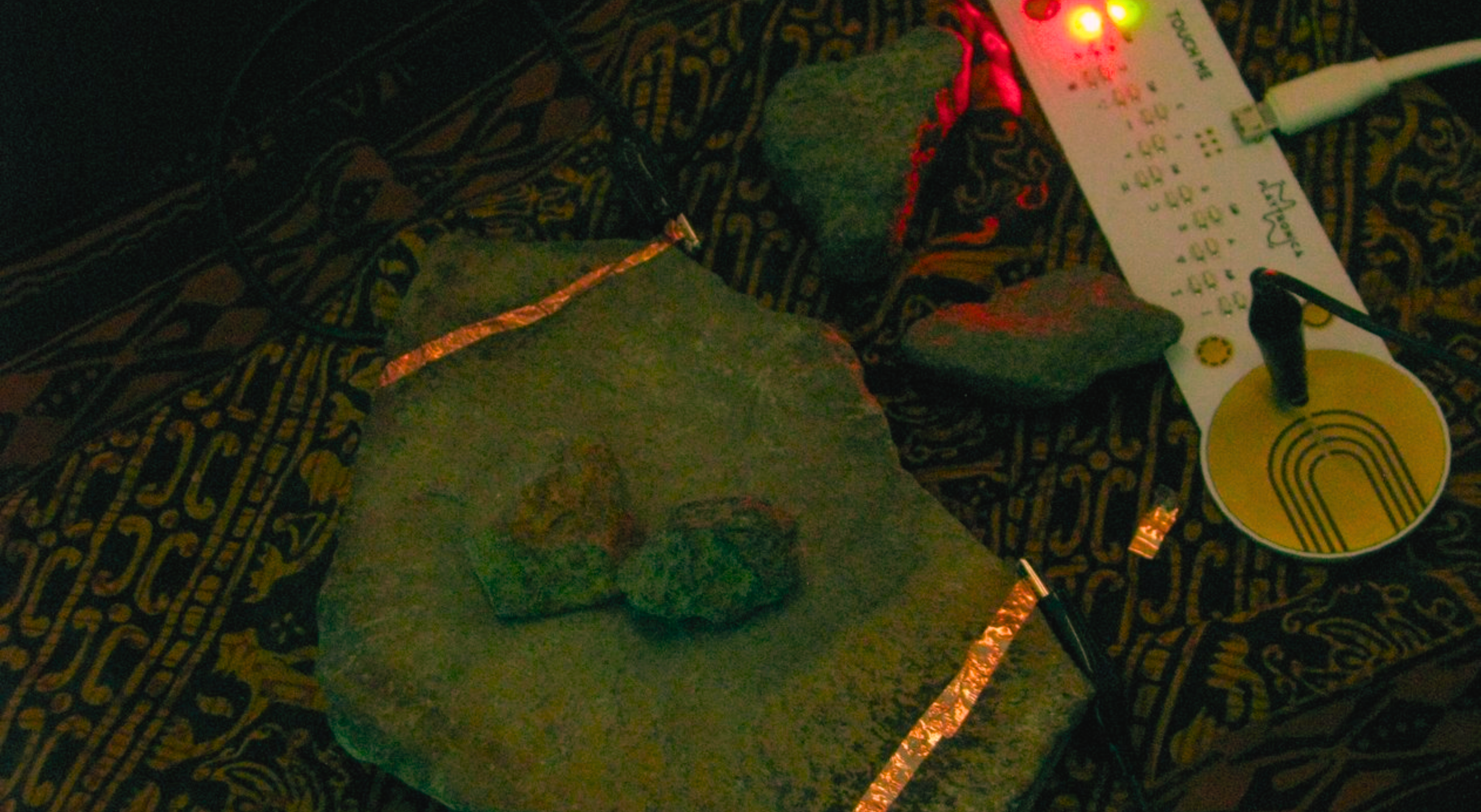
Near the end of the night, I found those who saved their energy for Pique’s nightlife and arrived later in the day weren’t as impressed by the experimental music, now devoid of much of its context. Pique’s roughly 17-hour run time and abundance of overlapping events make it so that just about every attendee has a different experience.
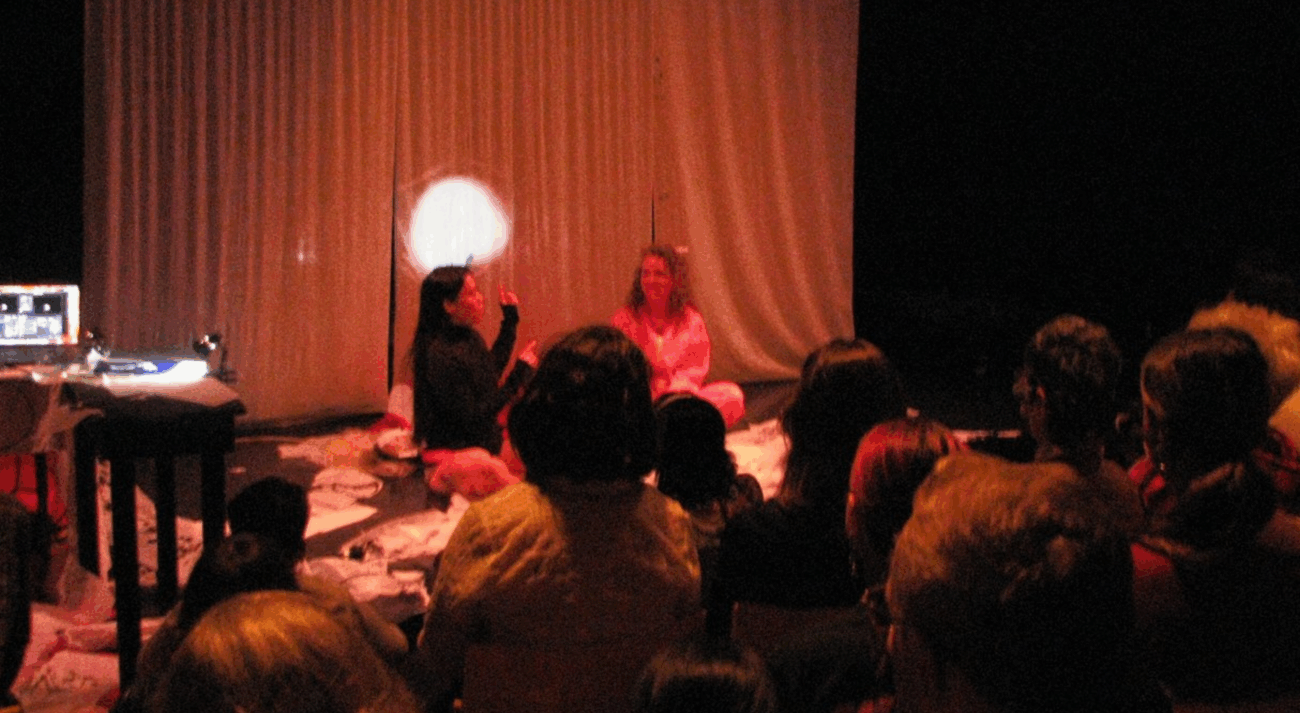
The Arts Court continued to grow more lively as I made my way to my favourite and final event of the night: Project INK, a work in progress presented by Katherine Ng and Rachel Gray. At 9:30 p.m., dozens upon dozens of people poured into Odd Box theatre and settled across the stairs (the overwhelming crowd filled out the seats) for what one audience member described as “the coolest bedtime story ever.”
The pair co-conducted the performance from two sides of a white sheet. Standing at the front of the stage, Rachel narrated and constantly reconstructed the set design in real time with ink, scrap paper, and a projector. All while the silhouette of Katherine’s rhythmic movements came to life on the white sheet and acted out an imaginative story of why we have day and night.
The immersive performance uniquely positioned the audience behind the scenes, all while they simultaneously received the final product. Being able to see and hear Rachel manipulate the props atop the projector, while also seeing Katherine interact with their projection, made for a really engaging auditory and visual experience.
Being able to see performances like Project INK while they’re still evolving is one of the coolest parts of Pique. In the Q&A session after their performance, Katherine and Rachel eagerly listened to the responsive audience and seemed to genuinely be learning from and reflecting on both the questions and suggestions.
Should you go to winter Pique?
It’s almost time for winter Pique, and with its programming announced only a month in advance, it’s likely that popular criticisms of not “feeling the hype leading up to the event” will recur. Additionally, with the only caterer, the BBQ Joint, running out early in the evening (before much of the crowd had arrived), Pique fall edition certainly wasn’t without its shortcomings. That said, in bridging the gap between financial barriers to art and community spaces for artists and viewers alike, Pique offers Ottawa locals an unparalleled experience. One which I’d recommend everyone see for themselves.