IF YOU’RE CONSIDERING A CAREER IN ANIMATION OR FILM, THE OIAF IS THE PLACE TO BE.
The Ottawa International Animation Festival (OIAF) celebrated its 50th anniversary this September with a jam-packed schedule full of networking, screenings, panels, and fall-themed fun.
The OIAF is a staple market for professionals and hopefuls in the animation industry. Attendees at different stages in their careers come from all around the world to partake in the professional development opportunities, community-building activities, and screenings. A record high of 3,026 short film entries from over 100 countries speaks to the festival’s international reputation and how it lives up to its name.
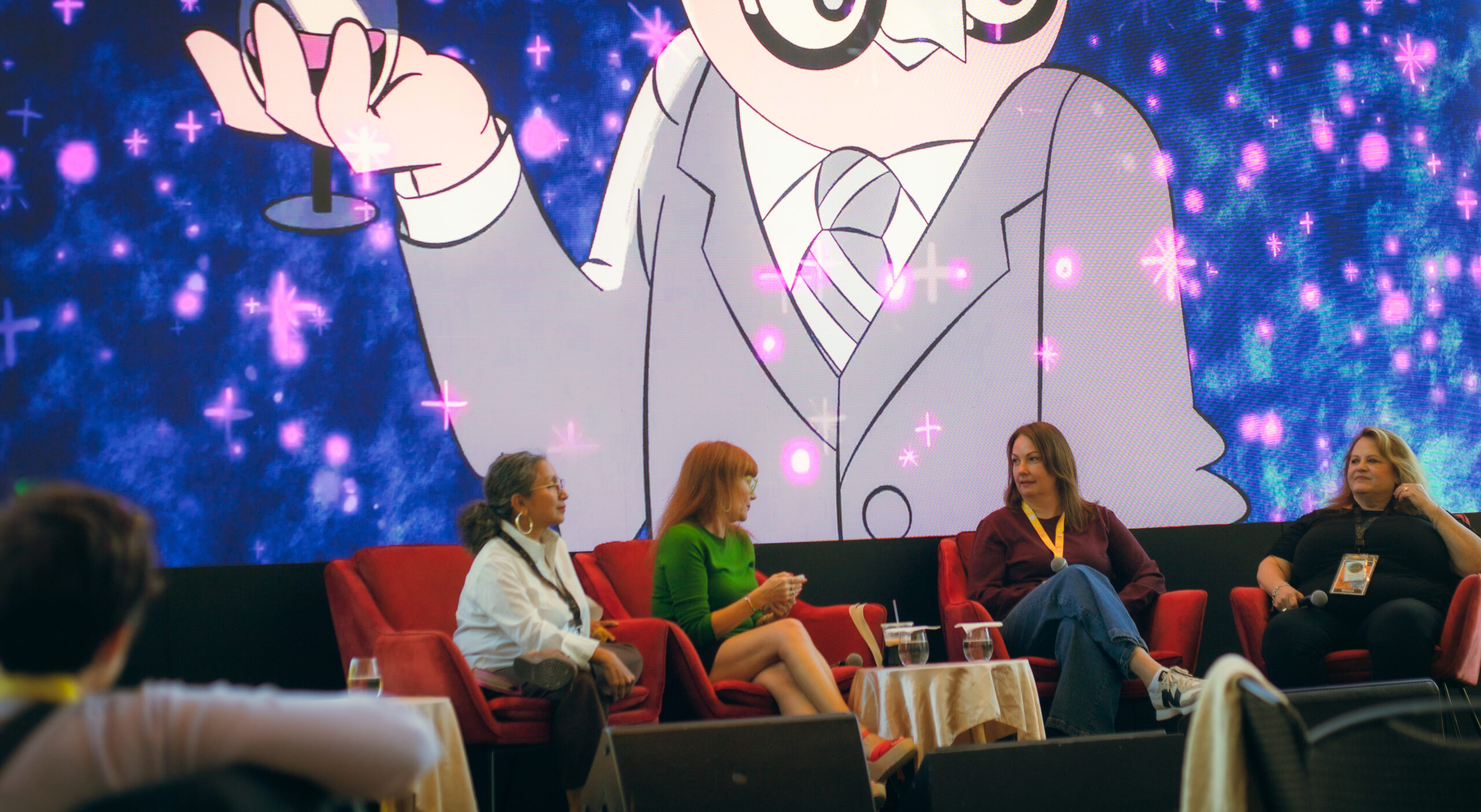
The festival’s history of supporting professional success was playfully commented upon by panelist Brooke Keesling, Vice President of ASIFA-Hollywood, who joked that she continues returning to the OIAF because the festival played her student film 25 years ago.
Antonia Novakovich, a Film Animation student at Concordia, described having come to the festival without any networking expectations. It was seeing others’ work at the festival screenings—such as the iconic and ever popular Salon des Refusées—that piqued her interest in connecting with other attendees. Her own short film, “Everything On Land With Bones Is A Fish”, was presented at the OIAF as part of the Canadian Student Competition.
Perhaps the most special part of the OIAF is the diversity in its attendees and the intermingling that leads to an atmosphere where ‘anyone can talk to anyone.’ In the words of an American university student attending the festival, “everyone’s the same type of weird.”
Of all the exciting events happening during the festival this year, I chose to focus on what seemed to be most salient for students and young professionals trying to break into the industry, Arts + Biz Day. According to the OIAF website, it is “an inspiring morning that focuses on inclusivity and diversity to elevate the animation industry. The event provides access points for underrepresented industry members to network, have their work reviewed, be inspired, and explore new opportunities.”
This year’s Arts + Biz morning included informal networking opportunities such as a half-hour dedicated to coffee and pastries (the correct approach, in my humble opinion), and an afternoon animators’ picnic. There were also Meet a Mentor sessions wherein attendees pre-registered to privately consult industry experts on their portfolio. The day’s panels addressed themes of personal and industry-wide resilience in animation, and whether markets such as the OIAF are still relevant.
Festival organizers made efforts to keep the event accessible to students, with the most economical option being the Friday Day Pass at $90 (which includes access to Arts + Biz Day) and the Student AnimaPass at $240 (with a $20 discount for Canadian post-secondary students). The latter included entry to just about every event during the festival, excluding The Animation Conference (TAC) networking events on Wednesday and Thursday. Though pricey, these options are substantially more affordable than passes for non-student attendees: the regular AnimaPass was priced at $300, with the full TAC pass landing at a whopping $665.
Even if you’re strapped for cash at the moment and can’t swing the ticket, there are still ways you can meaningfully engage with the festival and get those connections going.
According to Rose-Ann Tisserand, Executive Director/Executive Producer of the Animation Career Excelerator Society (ACE Canada), the industry has changed over the course of the last ten years such that these markets are more about making connections than about pitching. Plus you never know what opportunities these early-day connections may bring you in the future.
Her top networking tip for beginners? Be curious, not transactional.
Fellow panelist and Director of People & Talent at Mainframe Studios Christine Huot suggests volunteering if you’re unable to invest in purchasing a pass.
Carmen Caputo, first-time OIAF volunteer and new graduate of Algonquin College’s recently suspended Illustration and Concept Art program, says that volunteering makes networking feel more genuine and comfortable. By having others ask you questions, you are invited to return the favour and get to know them in turn.
If volunteering isn’t an option for you, Huot recommends researching panelists and attendees, and reaching out online. State your interest in attending the festival and in the other person’s work with the intention of cementing the connection in-person at a later date. For instance, at the same festival the following year.
I fear using LinkedIn to get in touch and, importantly, to stay in touch was heavily emphasized by all three panelists. Though follow-ups are important, especially when you have new work to present, I feel I must caution you, for Keesling’s sake, not to stalk anyone . . . into the bathroom . . . at Comic Con.