U OF O STUDENTS ARE SOME OF THE FIRST TO SUFFER FROM THIS PRIMARY-CARE CRISIS, AND WALK-IN CLINICS DON’T SEEM TO BE THE ANSWER
The Walk-in reliance
Do you have a family doctor? This is often the first question a Canadian seeking healthcare hears. The reality is, if you moved to Ottawa to get an education or recently transitioned out of youth care, the odds that you do are low.
As of 2022, The City of Ottawa is facing a shortage of family physicians, leaving more than 165,000 residents without a regular primary care provider. Officials estimate at least 270 new physicians are needed to stabilize the current healthcare system; this figure does not include doctors who are already planning to retire.
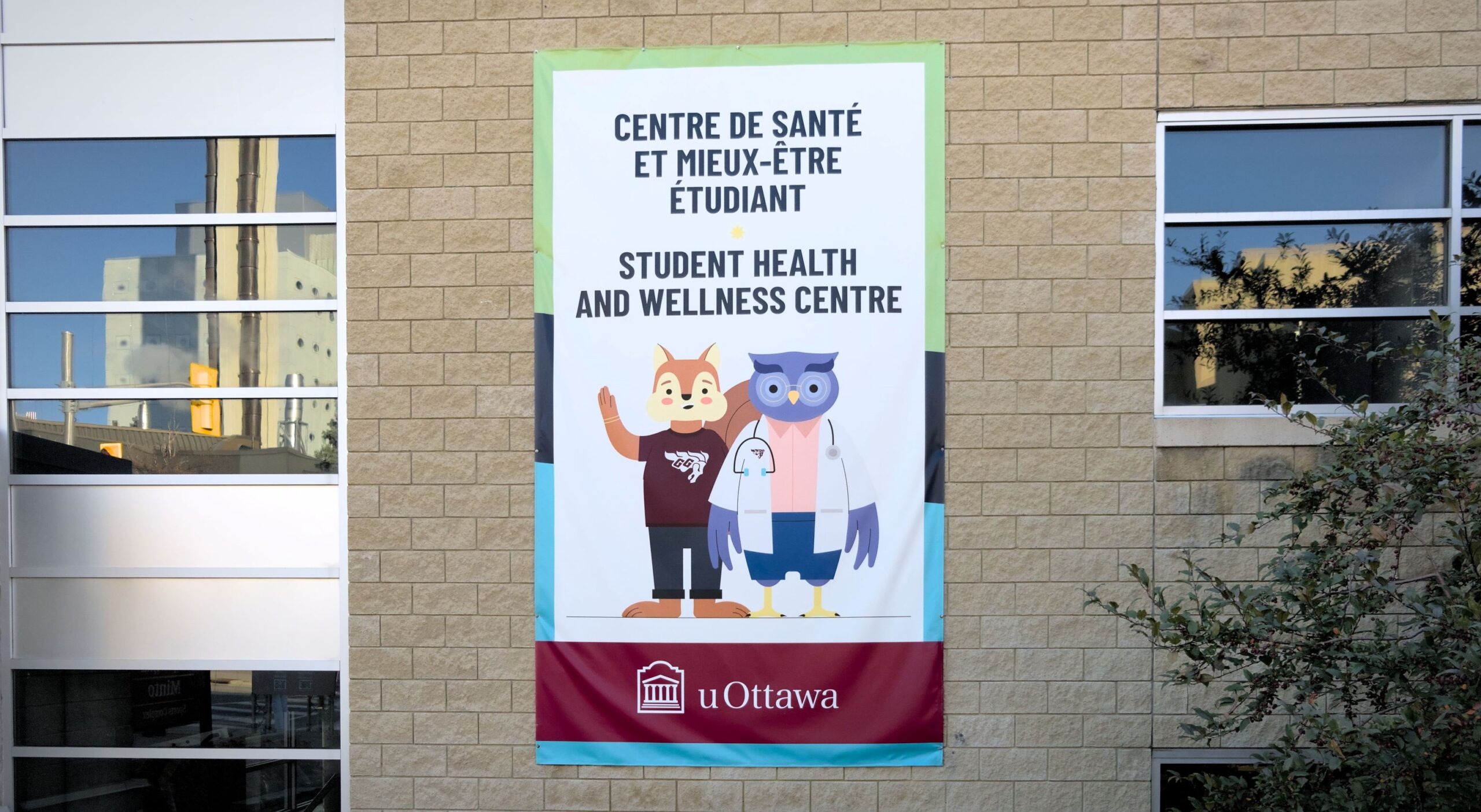
The result has been an over-reliance on walk-in clinics who are unable to accommodate everyone due to massive overwhelm. For instance, according to publicly available online reviews, students report that while the University of Ottawa’s Student Health and Wellness Centre provides excellent care, getting an appointment can feel extremely difficult, which they acknowledge. Off-campus, community walk-in clinics all over Ontario face the same issue due to the increasing demand, and limited service
In 2024, roughly 1 out of 5 Canadians aged 18 or older did not have access to a family doctor. Without a family doctor, many complications arise: patients worry about how to follow up on the care they were given, and struggle with communicating questions, assuming they find someone to see them in the first place.
Without a family doctor, there’s no continuity in your care. Every visit is with a different physician, each who doesn’t know your full medical history. With such fragmented care, diagnosing or treating long-term health issues is impossible, as long-term care struggles to survive in this system.
After graduation this becomes even more serious as students lose access to university health plans and on-campus services. Ontario’s Health Insurance Plan (OHIP) still covers basic care for those without healthcare plans and benefits, but leaves significant gaps in essential coverage. OHIP does not cover most prescription medications outside of hospital settings or routine dental and vision care, leaving many having to pay out of pocket or rely on private insurance to access these services. Additionally, OHIP typically excludes many mental health services if not offered through a hospital.
The attempted fix
In late 2025, the City of Ottawa approved a strategy aiming to recruit and retain family physicians. To achieve this, ten distinct goals were created, including appointing an ambassador with a budget of $40,000 to oversee the strategy and advocating for provincial changes to reduce barriers.
In addition, they have shifted their focus to connect millions of Ottawa residents to a primary care team by 2029, connecting the 235,000 people that were on the Health Care Connect wait-list as of January 1, 2025, to a family physician by spring 2026. As of November 2025, the wait-list has already been cut in half.
There are less than 1,500 new graduates per annum. With a minuscule influx of new physicians, the problem will only worsen if the City of Ottawa doesn’t look beyond its borders. To address this, Canada has introduced immigration measures to help relieve the demand; as of late 2025, international doctors with at least one year of Canadian work experience can apply through a new Express Entry category with nominated doctors being able to “fast-track permanent residence”.
The university’s role
In response to the large and growing number of Ottawa residents, including students at the University of Ottawa without access to primary care, the Faculty of Medicine is offering a solution by developing an interdisciplinary primary care hub in Ottawa’s neighbourhoods with the most demand, including Vanier, Sandy Hill, and Lowertown.
Research has shown that doctors are likely to practice medicine where they sense they belong, which is often where they train. As such, the hub would integrate a teaching facility through primary care teaching clinics to increase the number of family medicine residents trained in Ottawa.
The project is funded through Building a Better Ontario, the 2025 provincial budget with billions of dollars dedicated to healthcare. Province officials have explicitly promised to connect every person in Ontario to a family doctor through various investments: $1.8 billion have been dedicated to the Primary Care Action team and Dr. Jane Philpott, a physician and the former Minister of health of Canada. An additional $30 billion will be used over the coming years to construct and expand schools and the creation of child care spaces province-wide.
For students at the University of Ottawa, this could very easily turn into a future where there is no longer an over-reliance on walk-in clinics. Currently, scheduled appointments with reliable family doctors are in demand, but with these new investments, this could change in the coming years.