My loved one fell victim to clickbait, something needs to change
One morning, a loved one sent my sisters and me several alarming videos. Among them were clips claiming Sharia Law would soon take over the western world, and others saying immigration only leads to forced ideologies and crime.
She told us she feared Islamic extremism taking over her country, but the videos were mostly opinion-based and shared “facts” easily disproved with a quick internet search.
While she was sharing fears fueled by misinformation, my sister and I saw the videos as biased, fictitious, and hateful, and reacted as such. Our exchange became tense as she defended her concerns while we felt they were Islamophobic.
My loved one wasn’t the only victim. The videos had thousands of likes and comments from people debating their accuracy. True or not, the videos received major engagement.
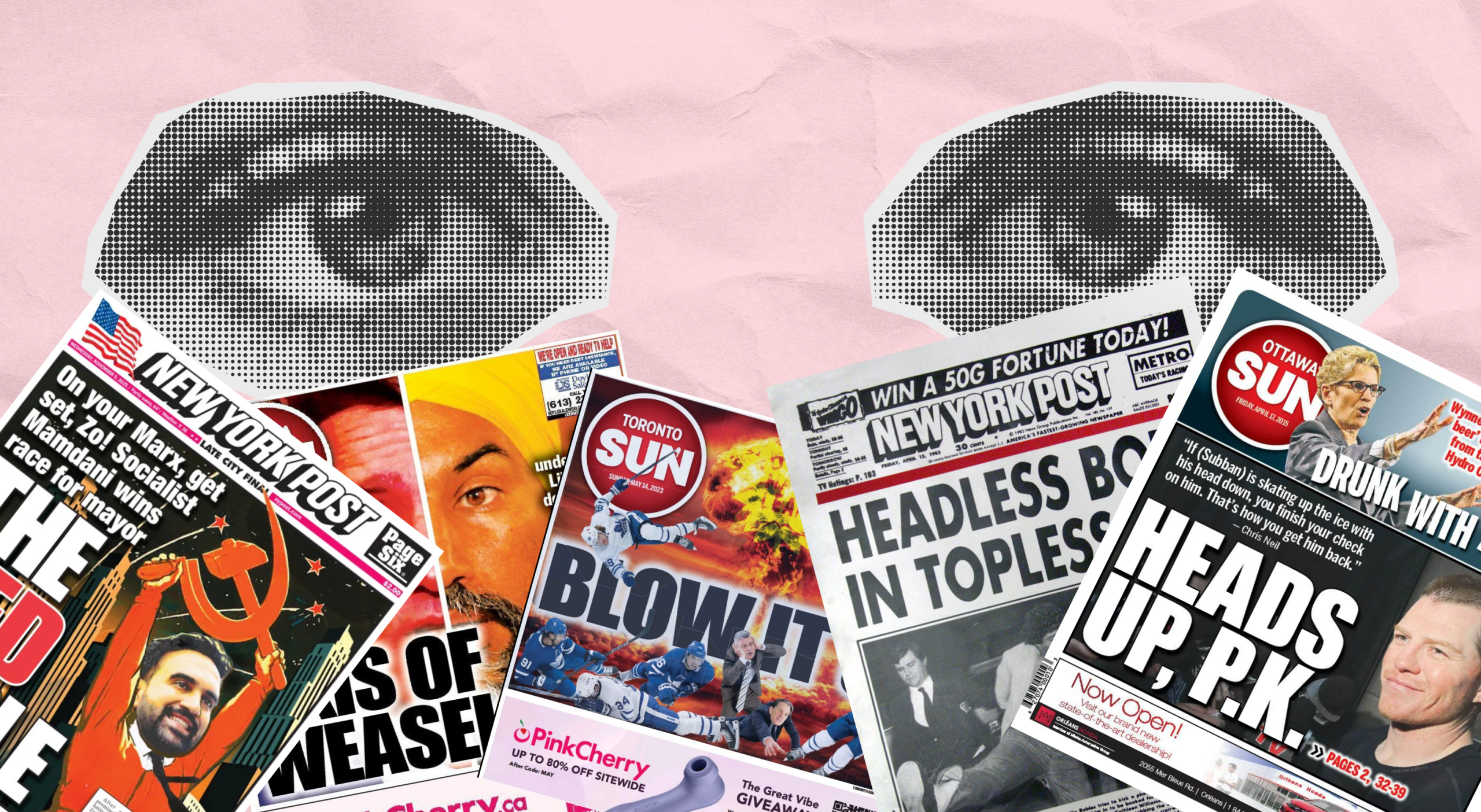
Examples like this show how clickbait in the current media landscape is dangerous to society as it increases polarization in an already polarized world.
Research from the Pew Research Center shows that more than half of Americans rely on social media for news.
Dr. Habib Ur Rahman in the journalism department of Allama Iqbal Open University found that online algorithms curate the content users consume based on their preferences, which can lead to filter bubbles and echo chambers.
It is extremely damaging when a citizen’s views are always validated by the news they consume, as it makes them less inclined to question their beliefs. X for example, is especially good at putting it’s users in ideological bubbles, this has resulted in it becoming a hotbed for misinformation, and radical politics, including neo-nazism. Questioning one’s views is essential to social harmony. How could we ever find common ground if we don’t expose ourselves to opposing perspectives?
Understanding the position of the other side helps open dialogue that can lead to peace. After all, communication is the most important quality of any relationship.
When my sisters and I were sent those videos, it sparked a heated debate with my loved one. However, after discussing it for some time, we reached a mutual understanding. Through communication, we were able to make peace. The discussion made us feel closer and ended with all of us saying we loved one another.
Clickbait heightens alienation by reinforcing beliefs with sensationalist wording meant to arouse strong emotion, while the content often does not live up to the headline.
News organizations rely heavily on ad revenue rather than subscriptions, making income dependent on clicks. To maximize revenue, outlets often report sensational stories that elicit emotional responses and generate views.
Journalists must keep in mind the responsibility and power they possess. The media decides what information citizens are exposed to and what society deems important. When readers are treated as customers rather than citizens, opportunities to diversify news and inspire real change are lost. Journalists should be motivated by the pursuit of truth and reliable information rather than monetary gain. If not, society risks becoming further polarized and even provoked toward violence.
In his book Networked Crime, Matthew David explains that citizen journalism allows anyone to publish content with little censorship, which has led to fears of declining standards.
“If society is more divided today, new media reflects this division, even if it may exaggerate it,” said David.
Now more than ever, media literacy is an indispensable skill for news consumers. People must learn to discern what is real news and what is content designed mainly to gain views. Without this skill, individuals may absorb false information and spread it within algorithm-driven spaces, perpetuating a harmful cycle of biased consumption.
Dr. Rahman’s research also found that clickbait causes concern for the distortion of truth. The need for captivating narratives compromises journalistic integrity and may lead to sensational stories that can “provoke violence, disseminate false information, and cause fear.”
A study published by the National Center for Biotechnology Information found that negative words in headlines increase consumption, while positive words decrease it. People are more likely to engage with political and economic news when it is negative. This selective exposure to divisive news may further political polarization and conflict.
However, there are ways to discuss polarizing topics without contributing to division. Research from the International Society of Political Psychology found that journalism including personal experiences from affected individuals helps readers humanize out-groups. When partisans explain their viewpoints through real stories of harm, mutual understanding and respect can strengthen.
In my article The truth about working as a woman in nightlife, I wrote about sexual harassment faced by female nightlife workers. While many studies exist on the subject, the impact of the article came largely from personal testimonies. Through their stories, readers saw real-life experiences.
Personal anecdotes help prove research while creating empathy. The specificity of experiences makes issues more tangible. When people read about lives far different from their own, they can better understand the “other side.”
The use of clickbait to gain views may be self-interested, but if the content is factual and lives up to the headline, journalistic integrity can still be maintained.
Clickbait is still a relatively new phenomenon, and its long-term effects remain unclear. People should constantly question the value of the news they consume instead of accepting everything at face value. Consumers should read full articles or watch entire videos rather than forming opinions from headlines alone.
If not, we risk spreading fear and hate toward those who are different from us. Especially in today’s political climate, it is more important than ever to challenge our media consumption habits.