
The capital’s youth escape every Friday night
The Escapade
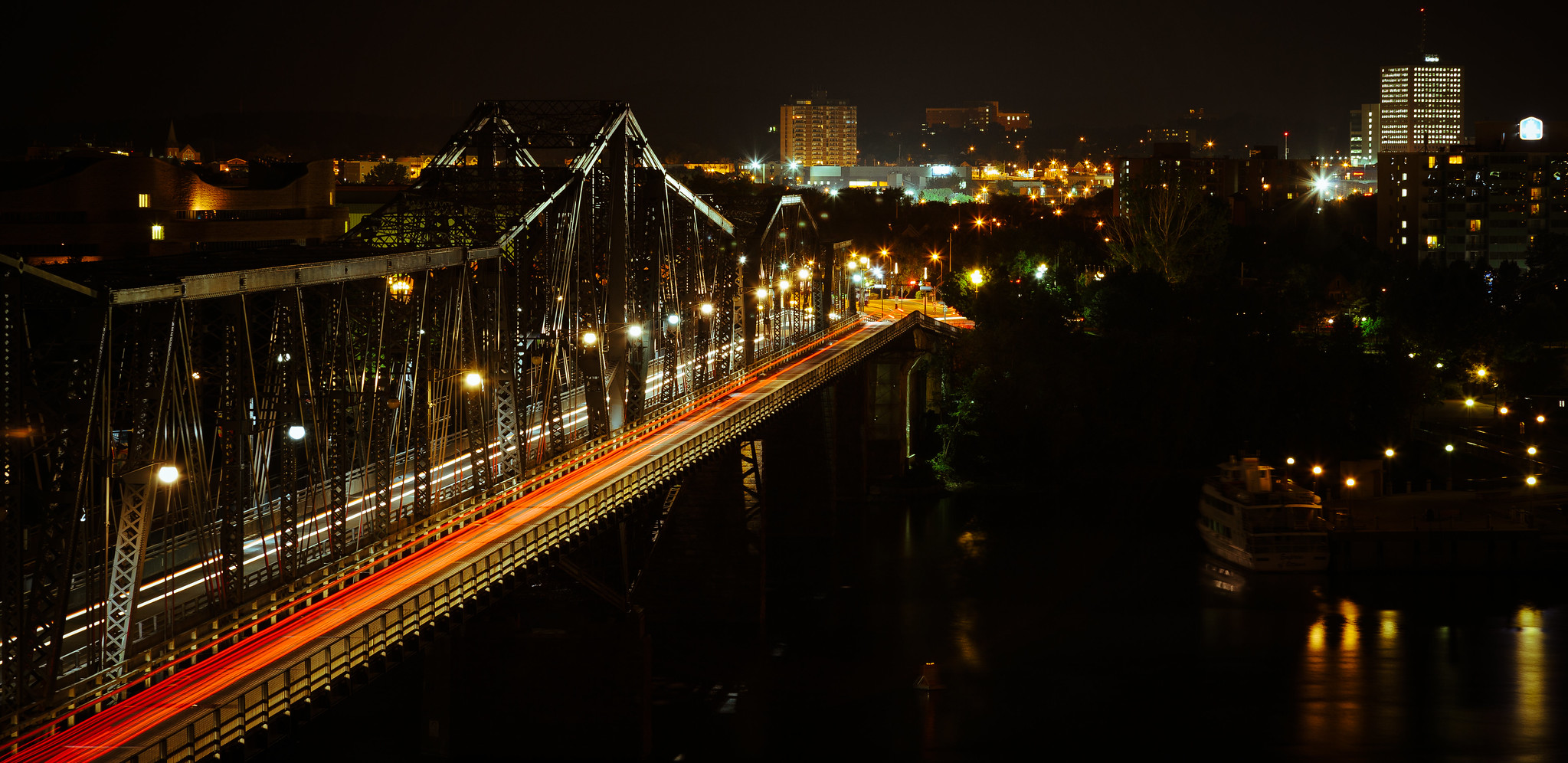
Every Friday night, the ritual begins. Ubers are called as students group up for a night that won’t happen in their city.
The reason appears to be evident: Ontario’s legal drinking age. A bill that was introduced almost fifty years ago lowered it to 18, only to raise it back to 19 after a rise in drunk-driving incidents. The question why this single digit is so important stands.
It would be easy to mock and indulge in sanctimonious judgment when looking at these young students crossing provinces for a night out. However, when the neighboring province allows this behavior at 18 – and older classmates, who are actually not that much older, don’t need to cross at all – it’s easy to understand the feeling of exclusion so many students deal with.
But this problem isn’t limited to this law at all. Even if the drinking age were lowered tomorrow, the underlying problem would still be present. Ottawa is a mausoleum; beautiful and rich in history yet the realities of living inside are not as pretty. After dark, there are few events, few places to go, and not many reasons for younger individuals to stay. The city is empty and the issue remains: there is nowhere to go.
Toronto – our beloved capital city
When the inevitable question, “Where are you from?” appears, any Canadian who has lived abroad knows that many of those asking couldn’t name Ottawa as Canada’s capital city. Instead, they guess: “Toronto”, “Montreal”, even “Vancouver”.
A survey demonstrated, less than half of Americans can name Canada’s capital. While a great city, Ottawa has done so little to place itself on the map compared to other Canadian cities.
This phenomenon can be observed across continents. In Australia, for instance, Toronto would be its Sydney, while Ottawa, its Canberra.
While Toronto is subject to the same Ontario laws, it feels less small and suffocating due to the large number of activities and nightlife present in the city. Ottawa lacks these entirely.
A Capital in Name Alone
Ottawa’s reputation as “the boring government city” does in fact hold some truth – often exaggerated, but truth nonetheless. With the public service representing the biggest share of the workforce in Ottawa, the city is substantially more active during the day. The city’s spending habits make this very clear: the daytime spending on activities is typically around $5.5 billion; that number drops to $1.5 billion at night.
Perhaps Ottawa’s residents are partly at fault for failing to take the initiative to reshape the city’s identity, leaving Ottawa undeserving of its title as the nation’s capital.
Laws, while important, are not the primary factor at play. Culture determines whether anyone wants to remain. Until Ottawa builds a nightlife of its own and decorates the mausoleum, lowering the drinking age will matter little, though it would be a good first step. The city has made announcements in the past, such as hiring a Nightlife Commissioner, yet nothing has manifested into tangible benefits for students. Until that changes, Fridays will continue to end in a different province.
Every Sunday morning, first-years return to one of the safest, and most boring, cities in Canada – and every Friday evening, when the thirst reappears, they leave it in pursuit of something more exciting.