Reading Time: 2 minutesThe Health Talks Podcast is a growing platform where students and professionals in medicine, research, biotechnology, and other health-related fields share their experiences and insights.


Reading Time: 2 minutesThe Health Talks Podcast is a growing platform where students and professionals in medicine, research, biotechnology, and other health-related fields share their experiences and insights.

Reading Time: 2 minutesIn Canada, not every woman benefits equally from early detection, life-saving treatment, or recovery. Breast cancer doesn’t discriminate, but our systems sometimes do.

Reading Time: 4 minutesAlthough the burden on the healthcare system is not new, many hospitals are turning to healthcare analytics to find answers as they struggle with rising demand and constrained resources.
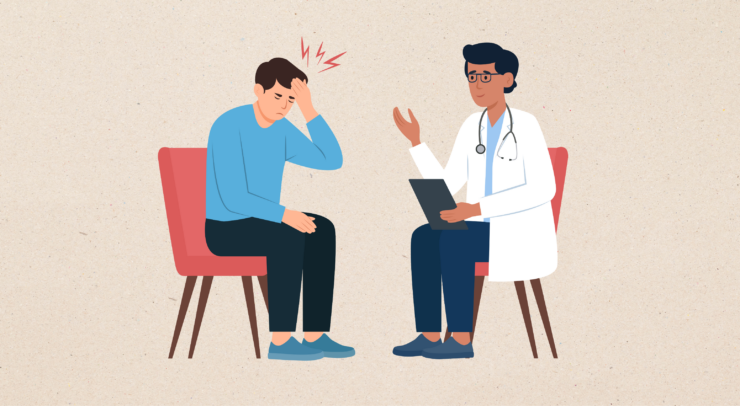
Reading Time: 2 minutesImagine visiting a doctor who doesn’t speak your language fluently. Now imagine trying to explain your symptoms, understand medical advice, and make important health decisions, all through a language barrier. Frustrating, right? Beyond just being frustrating, it turns out that language barriers in medical environments could have detrimental effects on heart health.
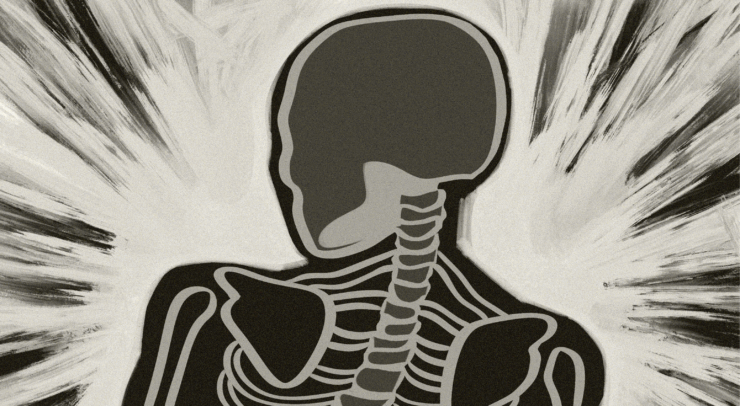
Reading Time: 2 minutesEver wondered what’s really going on inside your head, quite literally? Or why your spine is the backbone (pun intended) of everything you do? Yale’s Anatomy of the Head and Spine on Coursera is here to crack open the mysteries of the human body.

Reading Time: 4 minutesOverall, skywatching is an awesome experience that can be a one-off activity or a relaxing pastime. 2025 is bringing several celestial events with it. Meteor showers, comets, planetary alignments and more are visible both within and outside the Ottawa-Gatineau region.

Reading Time: 3 minutesIn the fall of 2025, U of O students will be able to enroll in a new class discussing digital literacy.

Reading Time: 2 minutesTargeting mitochondrial dynamics—the ways that mitochondria alter their structure within cells—could be crucial in stopping the development of cancer, according to research by Dr. Julie St-Pierre and her colleagues.
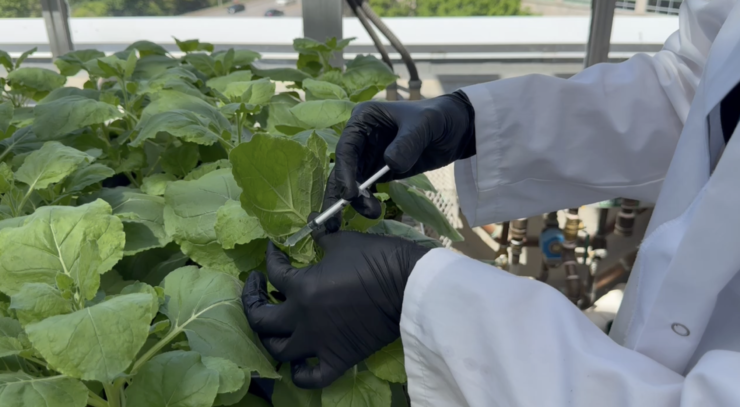
Reading Time: 3 minutes These bio-innovators are growing Ozempic in plants. This group of individuals in synthetic biology isn’t just playing around in the lab; rather, they are changing the way we approach medicine, research, and even space exploration.

Reading Time: 3 minutesToday’s medical facilities, research centers, and public health initiatives depend heavily on the effective and seamless operation of healthcare management.
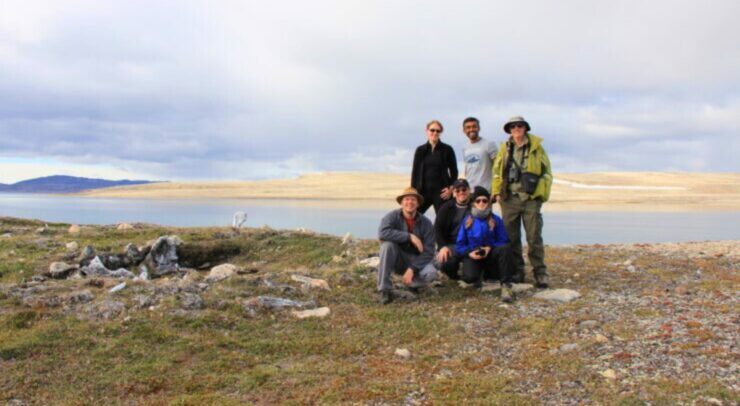
Reading Time: 3 minutesIn a groundbreaking study spanning over two decades, a research team led by U of O faculty has reconstructed the history of the Thule people — the ancestors of modern-day Inuit people — and revised the timeline of human occupation of the Arctic.

Reading Time: 3 minutes“The mission of soapbox is twofold. It’s to promote the work that they’re doing, but to also let folks know, young and old that they can get into STEM – it’s not specific to a gender and really everybody can love and do wonderful science.”
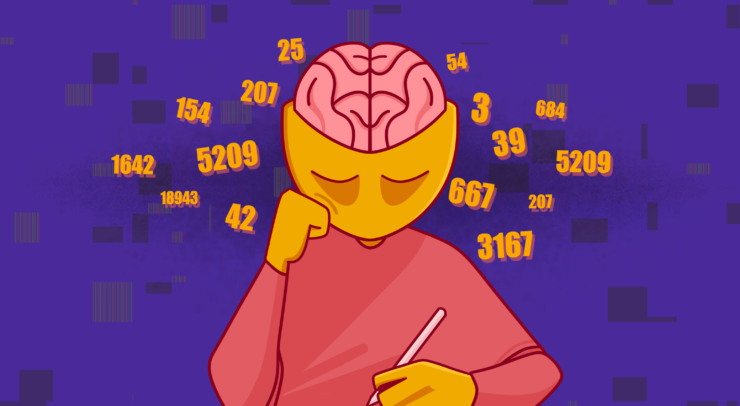
Reading Time: 4 minutesAre you troubled by strange noises in the middle of the night? Do you experience feelings of dread before or during your studies? Have you or any of your family ever seen a math-anxious student? If you’ve answered ‘yes’ to any of these questions, don’t wait another minute: pick up the phone and call the professionals.

Reading Time: 3 minutesConsider the opinions of three different computer science students at varying stages in their degree.
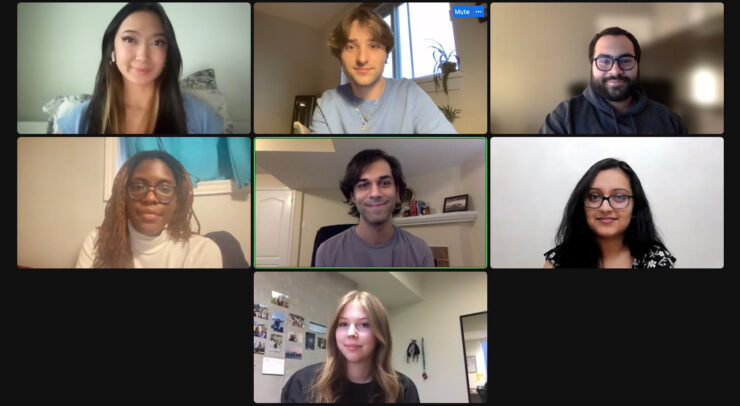
Reading Time: 3 minutes“We recognize that all people should be afforded equal access to medical equipment to ensure they can live with the best quality of life possible, irrespective of their background or socioeconomic status,”said Emma Grigor.
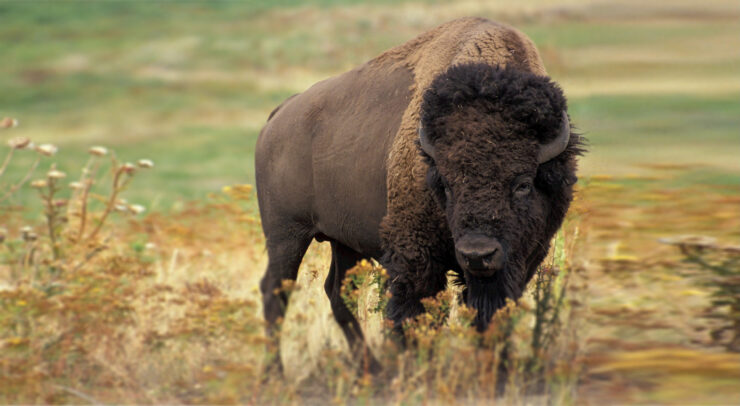
Reading Time: 3 minutesThe bison have been experiencing a change in their habitat, the shallow lakes whose shores they depend on for their nutrition have been expanding, making the habitat unfit for the Mackenzie herd.
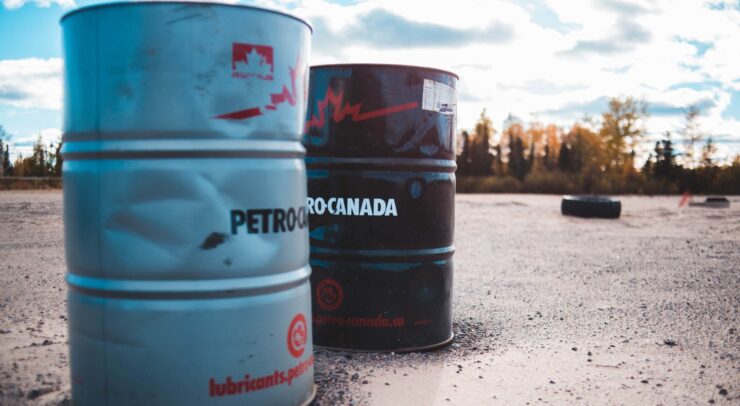
Reading Time: 4 minutes“More toxic doesn’t mean the other one’s not toxic. So at environmental levels, the chemicals in the Alberta oil sands would cause similar problems. These are not safe chemicals by any imagination. They’re just less toxic than the other ones,” said U of O professor Vance Trudeau.

Reading Time: 4 minutes“I’m not sure there’s such a thing as always adaptive and always maladaptive emotion regulation strategies. And I think that’s probably too simplistic or reductive, right. We need to be picking what works in the moment,” said U of O researcher Allison Ouimet.
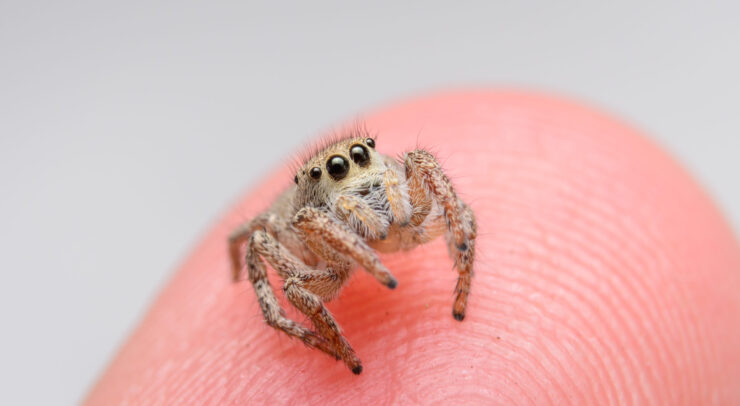
Reading Time: 5 minutesResearcher Sebastian Echeverri describes their courtship as a musical show which includes both a song and dance that are coordinated together. Like any good show, they build tension throughout and leave the best performance for last.
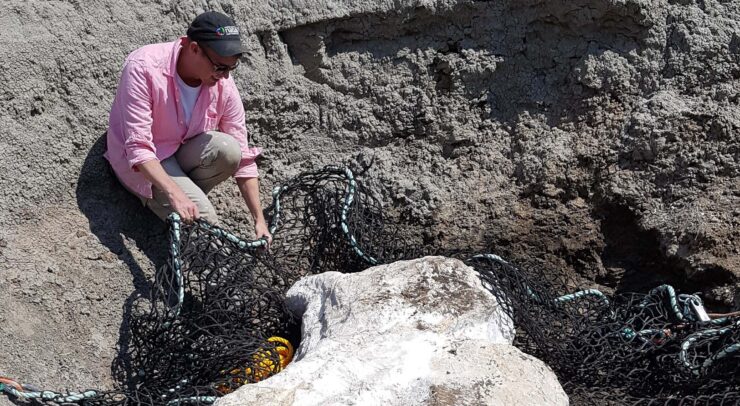
Reading Time: 4 minutesMallon discusses what to expect at a dig, dino myths and why dinos were so big Jordan Mallon is a research scientist at the Canadian Museum of Nature here in Ottawa. He mainly studies horned dinosaur evolution and dinosaur paleoecology which is the study of past ecology. This week Mallon interviewed with the Fulcrum to …

Reading Time: 2 minutesHAS IT EVER amazed you how quickly children seem to recover from injuries? Tumbles and falls are just part of everyday play. But it’s not what it’s like for adults — or grandparents for that matter. Falling or breaking a bone can be a dangerous event, because injuries are not easily healed.
Why is that?
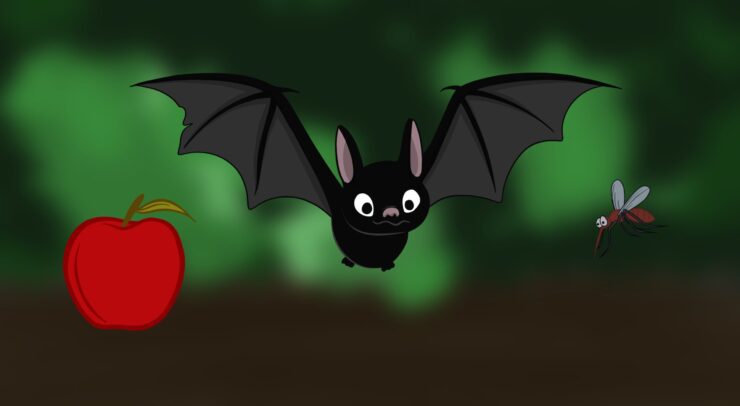
Reading Time: 3 minutes“The ratios of the sterols told us that there were two periods of increased fruit eating relative to insect eating” said U of O PhD student Lauren Gallant.

Reading Time: 3 minutesThe ability to see the development of the zebra fish’s nervous system under the microscope has provided an amazing advantage over other animal models of the spinal cord.

Reading Time: 2 minutesIn short, pseudoscience is presented like science, but lacks the same rigour that science undergoes. As a result, it makes the two extremely difficult to discern.

Reading Time: 3 minutesStarr mainly studies plant systematics, which is the science that names, discovers and determines evolutionary relationships of organisms