
The Girl Who Leapt Through Time celebrates its 20th anniversary, inviting a new audience to rethink their relationship with stress
ByTowne Cinema screened The Girl Who Leapt Through Time on September 15th and 18th as part of its Drawn In series.
The Girl Who Leapt Through Time is a 2006 award-winning anime film that swept the Tokyo Anime Awards the following year. The film won several awards, including Animation of the Year, the Scriptwriting Award for screenwriter Satoko Okudera, and the Director Award for Mamoru Hosoda with his first work as an independent director. Since then, the film celebrates its 20th anniversary, and Hosoda is now an Academy Award-nominated director with an extensive filmography that includes Summer Wars (2009) and BELLE (2021).
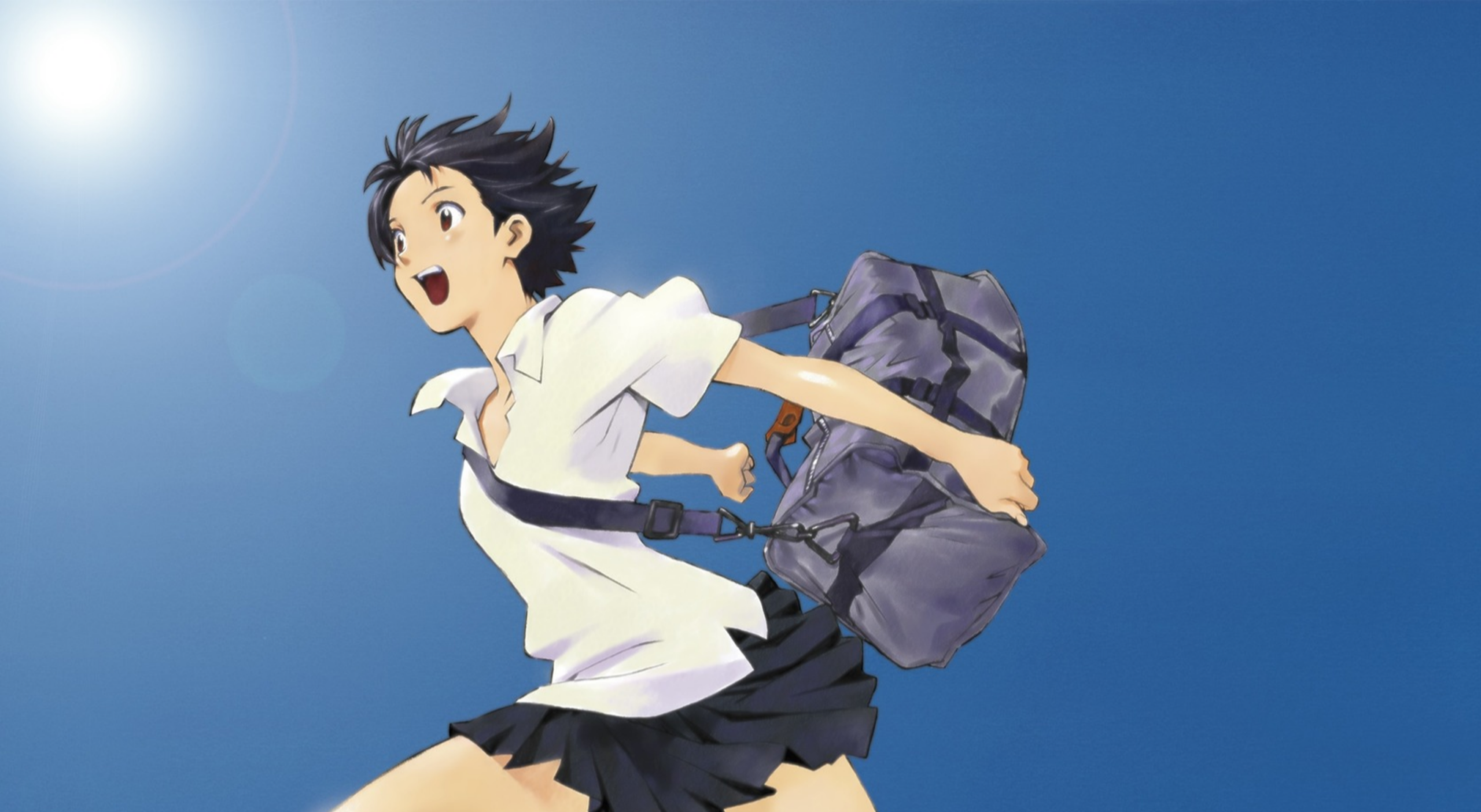
The film is a thematic successor to Yasutaka Tsutsui’s 1967 novel of the same name. It follows 17-year-old Makoto Konno, whose ordinary life is upended when she discovers a mysterious object and sees the words “Time waits for no one” on her classroom blackboard. On her way to see her aunt, Kazuko Yoshiyama, at the Tokyo Museum, Makoto suddenly goes back in time and narrowly escapes a train accident. After Kazuko explains to her that time leaps are a rite of passage, Makoto revels in her newfound ability to return to the past.
In an August 2026 interview with Pen Magazine, Hosoda explains that The Girl Who Leapt Through Time explores young adults’ anxiety about the future and how it intensifies their apprehension towards life’s uncertainties. University brings a similar conundrum of choice and stress. Students choose careers and extracurriculars, manage a budget, and build meaningful friendships and relationships.
What particularly resonated with me was that the time travel wasn’t merely a sci-fi plot device, but a metaphor for Makoto to explore the confusion and chaos of growing up. A memorable turning point occurs when Makoto accepts the inevitability of the future and its consequences after using time travel to delay her life. The narrative’s strength is its honest portrayal of how young adults resist the changes that come with growing older, reminding viewers that feeling anxious is normal. The university experience can feel chaotic at times, but it can also foster personal growth and responsibility through students’ everyday choices.
Hosoda does an excellent job bringing the film’s world to life. The scenes have a colourful, expressive animation style that Hosoda would later polish in his future works. Its mise-en-scène features Tokyo’s bustling city life, with trains rumbling in the background, and quieter moments like bike rides through the park, visually contrasting and reflecting Makoto’s story. Her outgoing, determined nature balances her teenage awkwardness and her incredible self-awareness of her flaws. The friendship between Makoto and her best friends, Chiaki and Kosuke, is endearing to watch; their dynamic helps the audience see why she decides to mess with time in the first place, making her actions throughout the film more impactful.
Another highlight is Kiyoshi Yoshida’s evocative score, which heightens the unpredictability of Makoto’s journey and reiterates the film’s emotional moments. The opening theme, “Natsuzora,” blends gentle piano and string melodies with subtle synth textures, creating a nostalgic, bittersweet ambiance.
The Girl Who Leapt Through Time showcases Hosoda’s ability to address the emotional challenges of growing up through extraordinary scenarios. He takes viewers through an introspective storyline, inviting them to appreciate everyday moments and face the future with renewed hope.