

Despite a decade of public divestment pledges, research reveals the University of Ottawa still takes millions from oil giants and hosts top polluters on campus
Despite the pledges signed by the University in 2015, 2016, 2020, and 2022, the University of Ottawa has accepted $22.7 million in direct donations from fossil fuel extractors and enablers.
This is the central finding of the newly launched U of Oil report, an investigative research project that calls out the University of Ottawa’s ongoing ties to the fossil fuel industry and demands complete institutional divestment.
Unveiled on Sept. 26 at Desmarais Hall, the report compiled quantitative and qualitative data spanning from 2004 to 2025 using public press releases and academic databases like Web of Science.
Beyond the $22.7 million in cash donations, student researchers also found that 56 per cent of Canada’s top 50 fossil fuel extractors and enablers maintain an active presence on the U of O campus. These companies retain influence through sponsored professorships, career fairs, faculty competitions, and campus events.
The report further noted that no documented action, public disclosure, or accountability has been taken by the university administration to fulfill its divestment promises.
Behind the U of Oil Report
U of Oil was spearheaded by Climate Justice uOttawa (CJCUO), the Sustainability Centre, and the University of Ottawa Students’ Union (UOSU), taking inspiration from similar accountability investigations at the University of Toronto and the University of British Columbia.
Frustrated by a lack of institutional transparency, CJCUO laid the groundwork for the investigation in 2023 by researching what the context of fossil fuel divestments looked like at the U of O. In 2025, former UOSU Advocacy Commissioner Alex Stratas joined the project alongside the current coordinator of the Sustainability Centre, Sophia Arellano.
“We recognized that we had enough manpower to dedicate towards a research project and a huge part of what we do is to try and empower the students who volunteer with us to engage with the environment in whatever way they can,” Arellano stated. “So, after Alex looped us in, we worked with Climate Justice to find volunteers who would help research this project.”
Student researchers proceeded to spend months digging into financial records to map out the University of Ottawa’s hidden corporate ties. They relied on academic research, external consultations from experts on divestment at the U of O, as well as professors from other institutions who conducted similar reports, such as Erin Mackey from the University of Toronto.
Student Frustration and Practical Implications
For students nearing graduation, the university’s corporate ties create a moral conflict between their education and their career prospects.
“As someone very close to completing a degree in environmental studies, I’d like to not feel trepidation looking at potential opportunities to do work in the environment and in sustainability,” Arellano noted. “I’d like to be confident that anything that is offered on campus is not going to be sustaining the climate crisis.”
This hypocrisy has mobilized campus groups beyond traditional environmental clubs. At the launch event, organizations like uOUrbanism (advocating for green transit) and the Ontario Public Interest Research Group (OPIRG) joined forces to demonstrate how fossil fuel money impacts everything from transit to housing.
Moreover, the report also serves as a beacon of hope to students. For fourth-year international development and globalization student Natalie Baker-Stewart, the report shows one way students can push back against large corporations.
“It’s really empowering knowing future generations are having these conversations and holding our university accountable about its environmental footprint and commitments. Events like this are the start to making long-lasting change not just in our university, but [in] holding larger corporations accountable.”
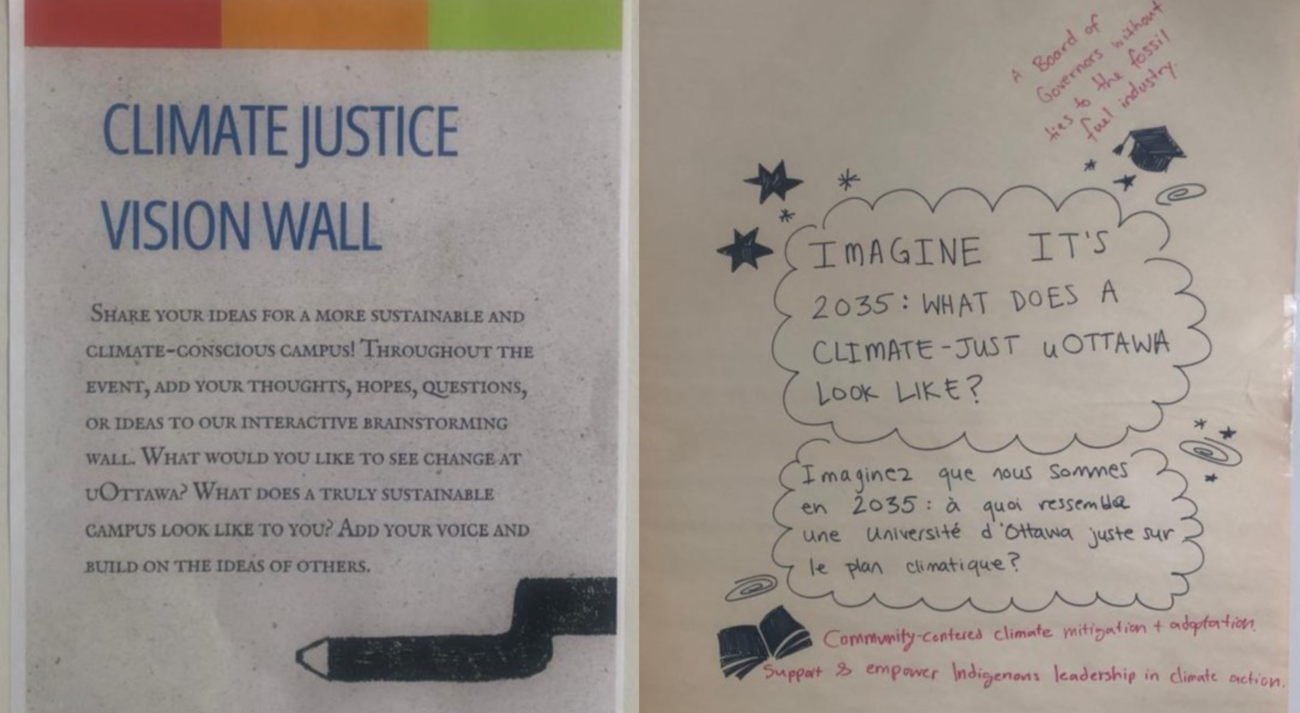
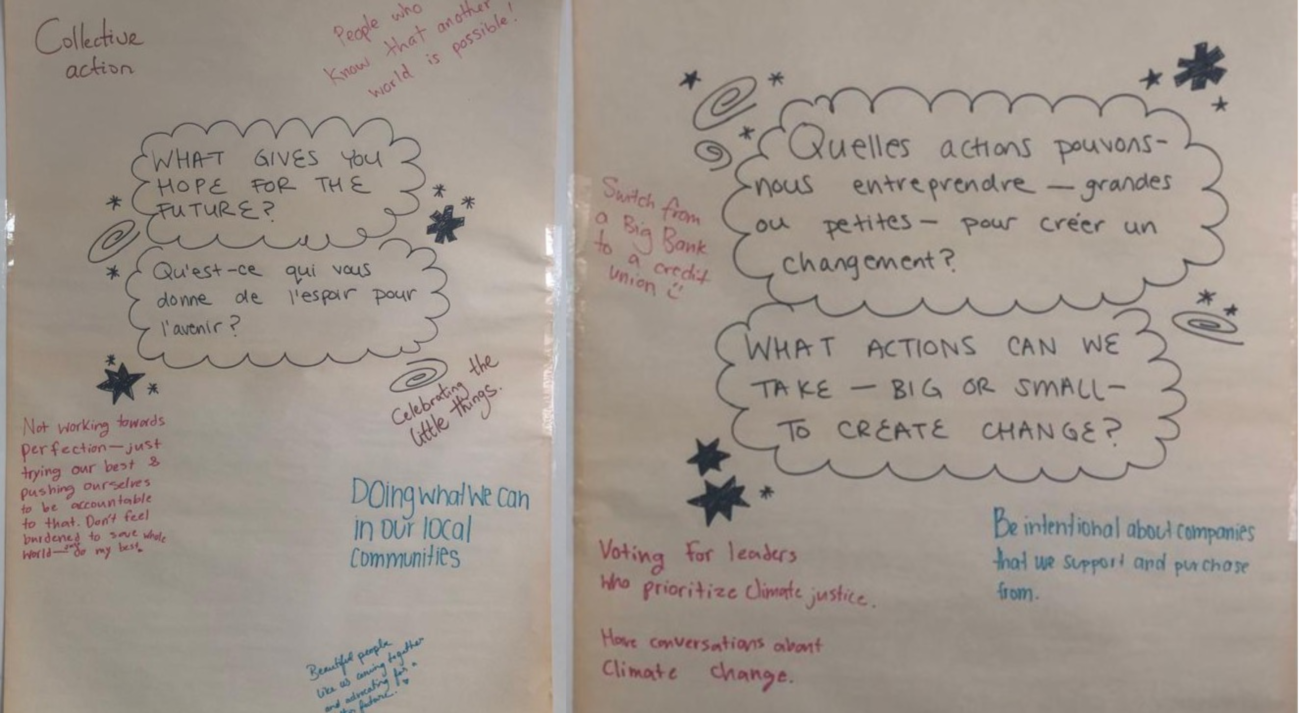
For many others, U of Oil’s successful launch is a crucial step towards two primary goals: advance public understanding of the fossil fuel industry and its relationship to the environment, and eventually achieving a fossil fuel-free campus. As guest speakers at the launch, Stratas and climate activist Makenze Blackburn were quick to remind attendees that activism like the report is what leads to tangible university action, pointing to the removal of the campus RBC branch as proof.
Demands and Next Steps
The U of Oil report concludes with four clear demands for the university administration: full financial transparency, complete dissociation from fossil fuel corporations, accountable governance, and redirected investments toward clean energy and Indigenous-led initiatives.
To achieve these goals, organizers are working to unite the wide network of sustainability groups across the University of Ottawa under a single, cohesive movement.
“A lot of environment groups on campus may have more niche interests, but divestment is multidisciplinary,” noted Arellano. “It’s affecting all students whether they understand it or not. We need to make sure everyone understands the point is to facilitate a conversation.”
That conversation is already turning into campus-wide mobilization. Advocacy commissioner Norah Bello highlighted several upcoming campaigns following the report’s launch, including a student-wide petition and a ‘Switch Your Bank Party’ designed to help students shift their personal finances into climate-conscious credit unions.
The U of Oil report is just the latest step in a growing wave of student activism pushing to sever campus ties with the fossil fuel industry. To learn how to get involved or support the movement, visit the sustainability centre for updates.