Why genuine campus diversity takes intentional effort and how to clear the biggest hurdles.
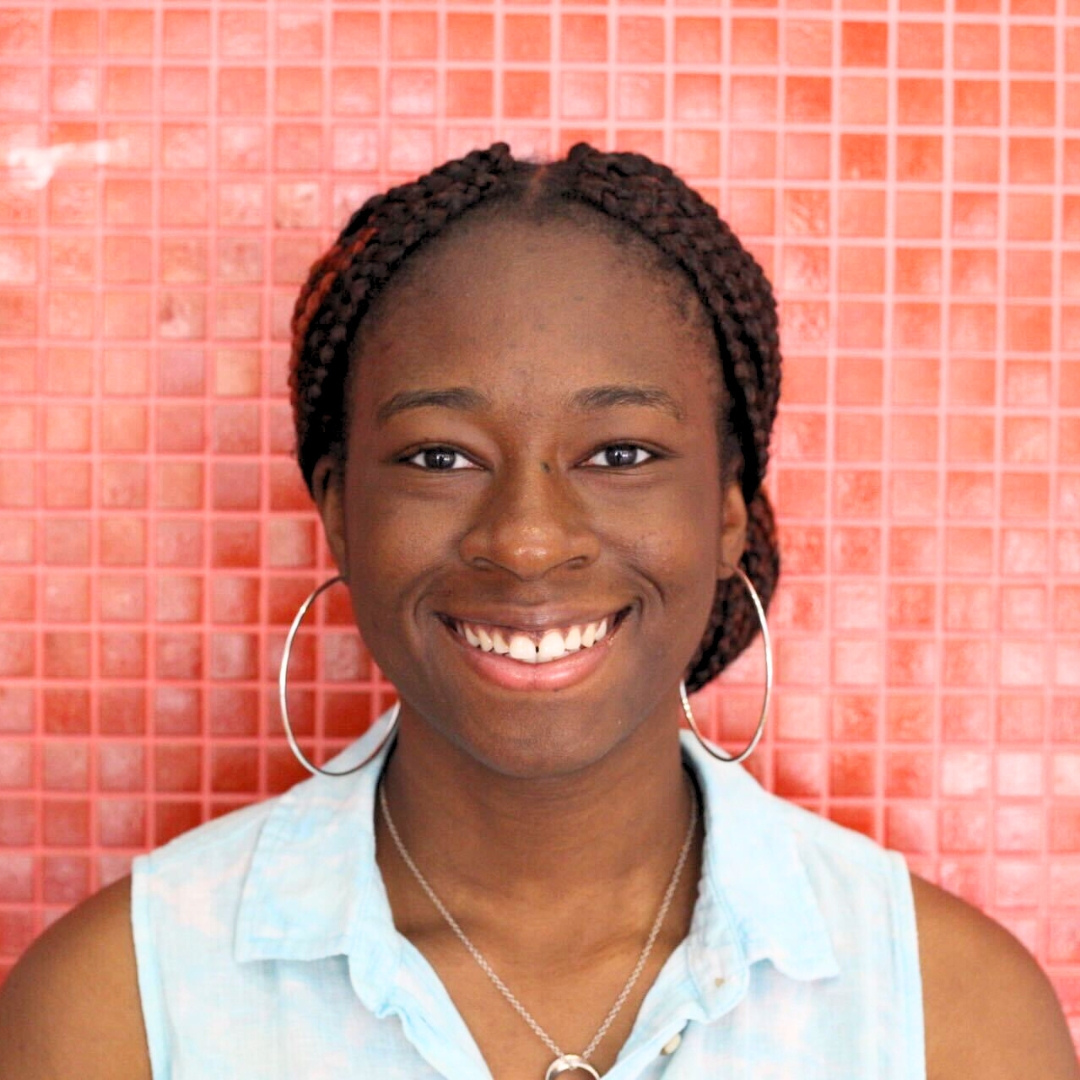
If you envision colleges or universities, you are likely to think about a group of diverse friends, maybe on a lawn, laughing and having fun. In the United States, the roots of these visuals stem from student protests for campus diversity during the civil rights movements of the 1960s and 1970s. In Canada, they were by-products of the Canadian Multiculturalism Act of 1988 that utilized visual representation (amongst other things) to recognize, promote, and integrate the cultural heritage of diverse Canadians into Canadian society.
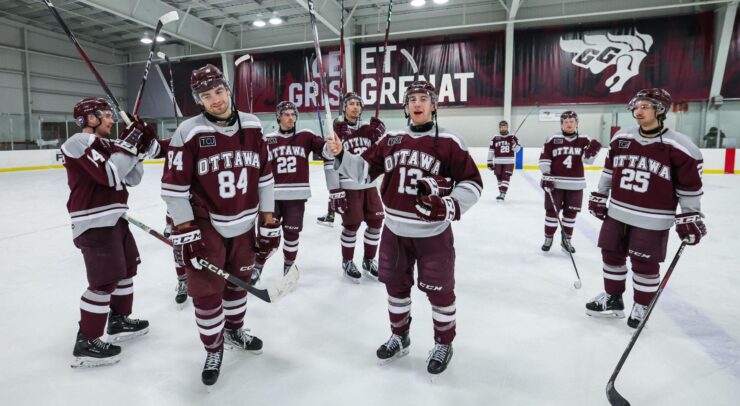
Nevertheless, despite this rich history, this image can feel superficial or tokenizing because universities tend to overrepresent or misrepresent their racial and cultural demographic diversity, especially in their advertisements. As such, these images are becoming symbols of an idealistic university, rather than an accurate representation of life on campus.
So how do you actually build genuine, diverse connections when the advertisement standard of effortless friendships is so misleading?
The first hurdle you need to clear is finding your friend group. In practice, people naturally gravitate toward cultural comfort zones, especially when navigating a new, intimidating environment. A diverse friend group is created with intentionality: going out of your comfort zone and not defaulting to gathering spots of a single dominant culture. Without this intention, people tend to remain within familiar cultures out of convenience.
While this might seem helpful when you’re trying to find your footing in university, sticking only to comfortable silos can also rob you of the true immersive college experience you desire. It’s also worth noting that living in the same dorm doesn’t automatically mean a diverse community — you still need to be intentional.
However, the hurdles do not end once you have found cross-cultural connections. Since media and campus advertisements present these dynamics as effortless, students are often unprepared for the unspoken emotional labor involved, especially for the minority in the group. For the solitary POC or international student in a circle, this looks like constantly explaining cultural references, fielding subtle microaggressions, translating family expectations, or even constant code-switching to navigate the various communities they belong to. When friends in the majority demographic assume diverse friendships do not require intentionality, this silent exhaustion builds—leaving someone feeling more like an accidental aesthetic placeholder and less like a deeply known friend.
In order to preserve the friendships you have found, traits like sensitivity, emotional intelligence, and active listening are important so you are continuously bridging the gap, not building walls.
The tallest hurdle to overcome is the urge to fast-forward to the end of your friendship. It’s easy to feel rushed by social media feeds, TV shows, and viral videos showcasing effortless, picturesque friend groups that seem to materialize overnight. But real connection resists a fast-forward button. Whether cross-cultural or not, meaningful relationships require time, patience, and shared experience to take root. The goal isn’t to curate an instant, cinematic social circle for the screen, but to give genuine friendships the space to grow naturally.
Campus administrations and media have long sold the myth that throwing thousands of young adults together automatically creates a harmonious melting pot.
It doesn’t.
Cross-cultural friendships require active care. The goal isn’t to perform diversity or expect instant harmony, but to practice intentionality, mutual respect, and patience. This is especially important for the friends in the majority demographic, as it helps them better understand, relate to, and function within the complex, multifaceted lives of their cross-cultural friends. When we shift from ‘diversity will just happen’ to ‘I want to do the work to truly know you,’ authentic connections follow.