
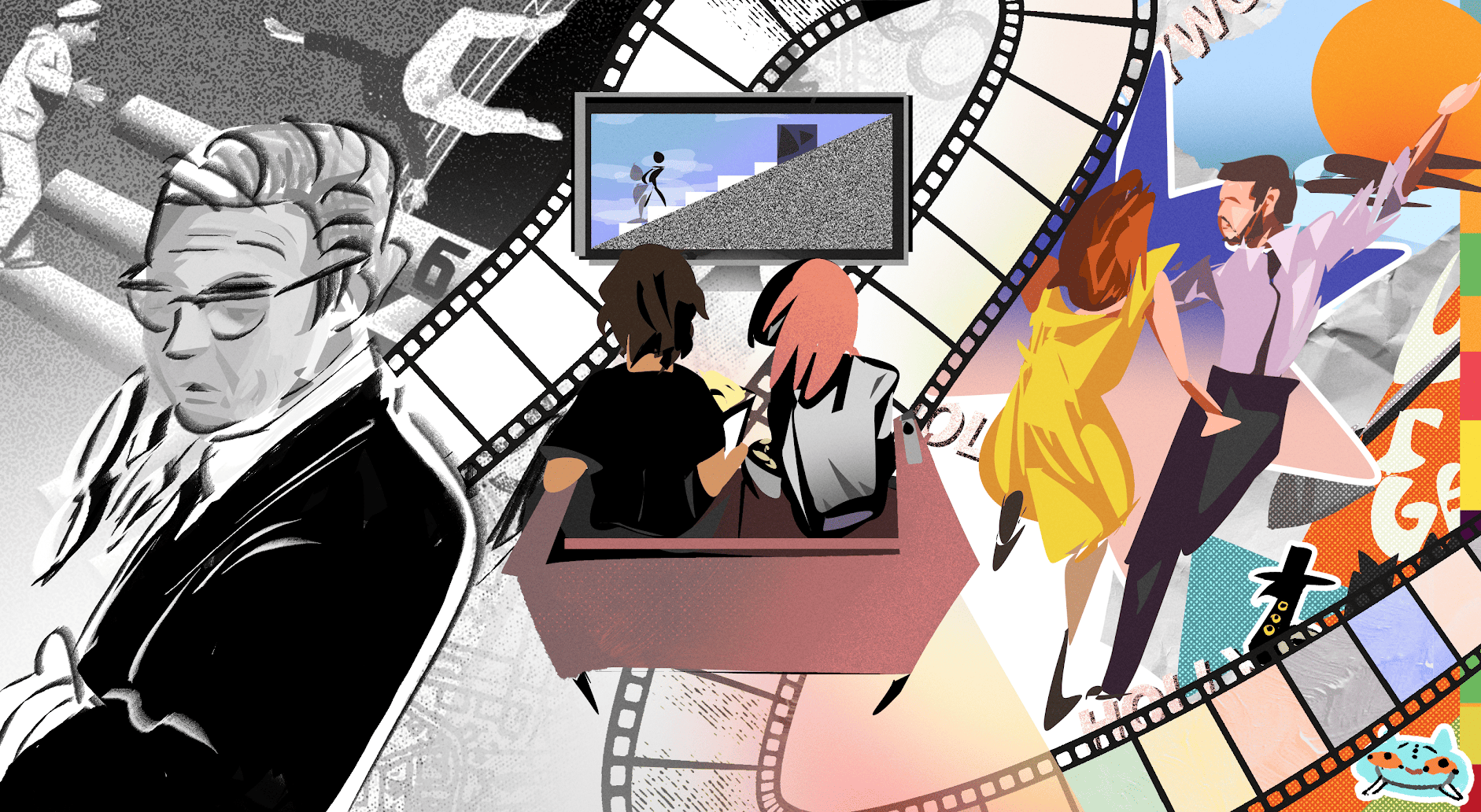
Social mirror or pure sanctuary? Exploring film’s highest calling
From gritty social realism to high-fantasy blockbusters, cinema has always wrestled between holding up a mirror to our world and offering a temporary exit from it. Debates over the true purpose of film have split cinephiles and casual moviegoers over the decades, with each side passionately defending its perspective.
Cinema exposes the truths of society
This argument can be summed up in two similar-sounding but vastly different quotes. The first being “Cinema is a reflection of its own society.” Here, Iranian-American actress Shohreh Aghdashloo reveals the vitality of cinema to understanding the world we exist within.
Films act as social mirrors, highlighting underrepresented human experiences, historical events, and pressing issues. By building empathy and raising awareness, they foster the compassion and civic engagement necessary to build a better society. Beyond this, films also serve as living historical archives — capturing the social dynamics, collective emotions, and ideologies of their era, while giving future generations a dynamic space for dialogue and re-interpretation.
The second quote, “Cinema is a mirror by which we often see ourselves,” was made by famous Mexican filmmaker, Alejandro González Iñárritu. Through films like Birdman, Iñárritu forces audiences to confront moral ambiguity, complex ethical dilemmas, and uncomfortable real-world truths. Similarly, genres like satire, drama, and dark comedy validate the audience’s experiences through complex characters like Arthur Fleck (Joker), Christine McPherson (Lady Bird), or Tonya Harding (I, Tonya). By prompting critical thinking and deep self-reflection, cinema inspires the openness needed for society to evolve.
Cinema sets us free
The counter-argument is not whether cinema can reflect reality, but whether reality needs to be constantly forced upon us under the guise of entertainment.
Human history has long been marked by declinism, the recurring belief that society is in an irreversible descent from a superior past. From the Ancient Greeks worrying about corrupt youth to the anticipation of apocalypse that makes a resurgence at every technological breakthrough, every era carries its own weight. If these dilemmas follow us through our daily lives, work, and relationships, why shouldn’t the theater remain a space to step away from them?
Cinema is art, but it is also entertainment — and entertainment exists to relieve stress and support our mental well-being. Walt Disney, perhaps the greatest entertainment innovator of the 20th Century, built an empire on this premise. He famously remarked that his goal was not to please critics, but to connect with the audience’s inner child: “I do not make films primarily for children. I make them for the child in all of us, whether we be six or sixty.”
Life presents inherent stress, grief, and anxiety. As entertainment, cinema offers a controlled, comforting environment for viewers and creators to decompress, reset, and recharge. For filmmakers, it provides an unbounded canvas to push the limits of visual effects, world-building, and imaginative storytelling. For viewers, these stories serve as a reminder of hope, justice, and that ideal outcomes are possible: building communal audience excitement and pure spectacle that brings diverse groups together in shared wonder.
Somewhat of a middle ground
Perhaps this debate does not require a winner. Even as Walt Disney painted dreams of magic and adventure, classic animation routinely explored complex family dynamics, loss, and social class — a legacy that studios continue to refine today. Conversely, gritty docudramas and realistic films often highlight the quiet joys and small pleasures that sustain people through hard times.
Ultimately, cinema’s true function may not be an either-or proposition, but a question of balance. The ideal aspect ratio of escapism to realism changes with the era, but the vitality of both sides to the power of film and the human experience is undeniable.