When people are starving, nothing else matters. There is a class war in the streets of Tehran.
It’s been two straight weeks of internet shutdown, tens of thousands slaughtered and over and 26,500 arrested. Over 345 people have been executed since December 22nd as the regime doubles down on its shameful badge of committing 74% of all human executions worldwide. For those in Iran, it’s been two straight weeks of rage in the streets, fuelled by hope, humanity and justice. For diaspora, we worry and send text messages that fail to deliver.
To view the question of Iran as a religious debate is a naïve and a dangerous mistake. I have aunties who wrap their chadors tightly under their chins, Quran verses embellished in gold on their walls, who curse the Butchers of Tehran with might. The lakes nearby have dried up, farmers are selling their belongings to make ends meet as their crops die, and the price of bread increases weekly. With a 50% youth unemployment rate, young people idle in dry, crumbling towns with hopelessness and despair.
Outside of religious debates, geopolitical chess games where people are pawns, and the evergreen threat of war with neighbours looming over their heads, the real plight of everyday Iranians is the fundamental human need for bread and peace. There is a class war on the streets of Tehran. On one side,the wealthy dictators who hoard power and gamble resources, versus the everyday people who yearn for the freedom they can see the rest of us enjoy, when the regime has not cut off their access to the world.
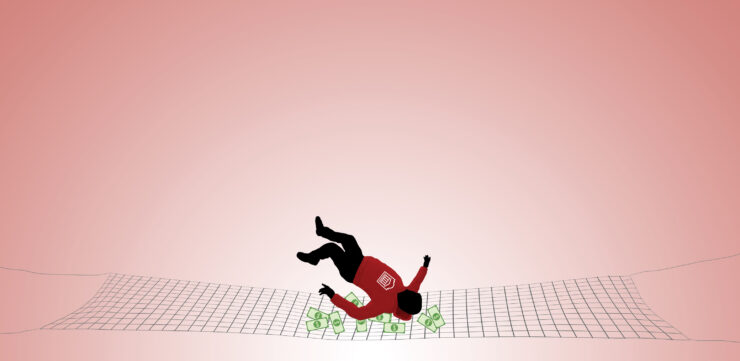
On December 28th, the Iranian Rial fell to 1.4 million to the American dollar, making it the most worthless currency in the entire world, eradicating decades of people’s meager savings and forcing Iranians to question whether the next meal is worth the cost.
In March of 2024, when the exchange rate was 614k rials per USD, Mehdi Hosseini, estimated that the average workers’ monthly wage covered $136 of the needed $500 to get by. With the recent plummeting of the exchange rate, that’s now $60 per month, with food prices rising by 60% in the past year alone. If the lifestyle of a frugal uOttawa student costs $1500 a month for rent and food, excluding tuition or savings, this would be the equivalent of making $180 a month.
Months before this plummet, a researcher within the regime itself estimated that 30% of people live in absolute poverty, defined by an inability to afford basic needs, fixed to a global standard of living on less than $1.90 USD per day. In rural areas, rapid environmental destruction threatens agricultural jobs and children are chronically malnourished and trapped in cycles of forced labour and poverty.
And yet, not everyone is forced to live in poverty – in fact, the top one per cent own a third of Iran’s wealth. In the wealthy areas of Tehran, rich people who work in finance, have inherited family wealth or work for the regime enjoy abundant air conditioning in 50°C weather, fancy restaurants and large houses. Children of the regime’s leadership study in Western universities, flaunting sports cars and luxury handbags, while regular people are crushed under sanctions and corruption.
Today’s protests started in the bazaars, the heartbeats of Iranian cities and the backbone of local economies. When the currency plummeted in December, shopkeepers closed their doors in protest, feeling shame at the new prices they’d have to give their customers. The bazaari were central to the Islamic Revolution of 1979 that saw the exile of the Shah and the transition to theocratic autocracy. What the dictators viewed as a stable pillar of their rule has now crumbled against them.
The Islamic Revolution was sparked by workers, students and leftists because of high inflation, poor economic conditions, and the brutal suppression of dissidents. 47 years later, the now all-powerful clergy execute dissidents, privatize and funnel the land and water of the poor to the rich, censor books and knowledge and deploy terror as a strategy against democracy and dissent. Nonsensical, radical interpretations of religious text enable divine consent to suppress class issues and distract the poor.
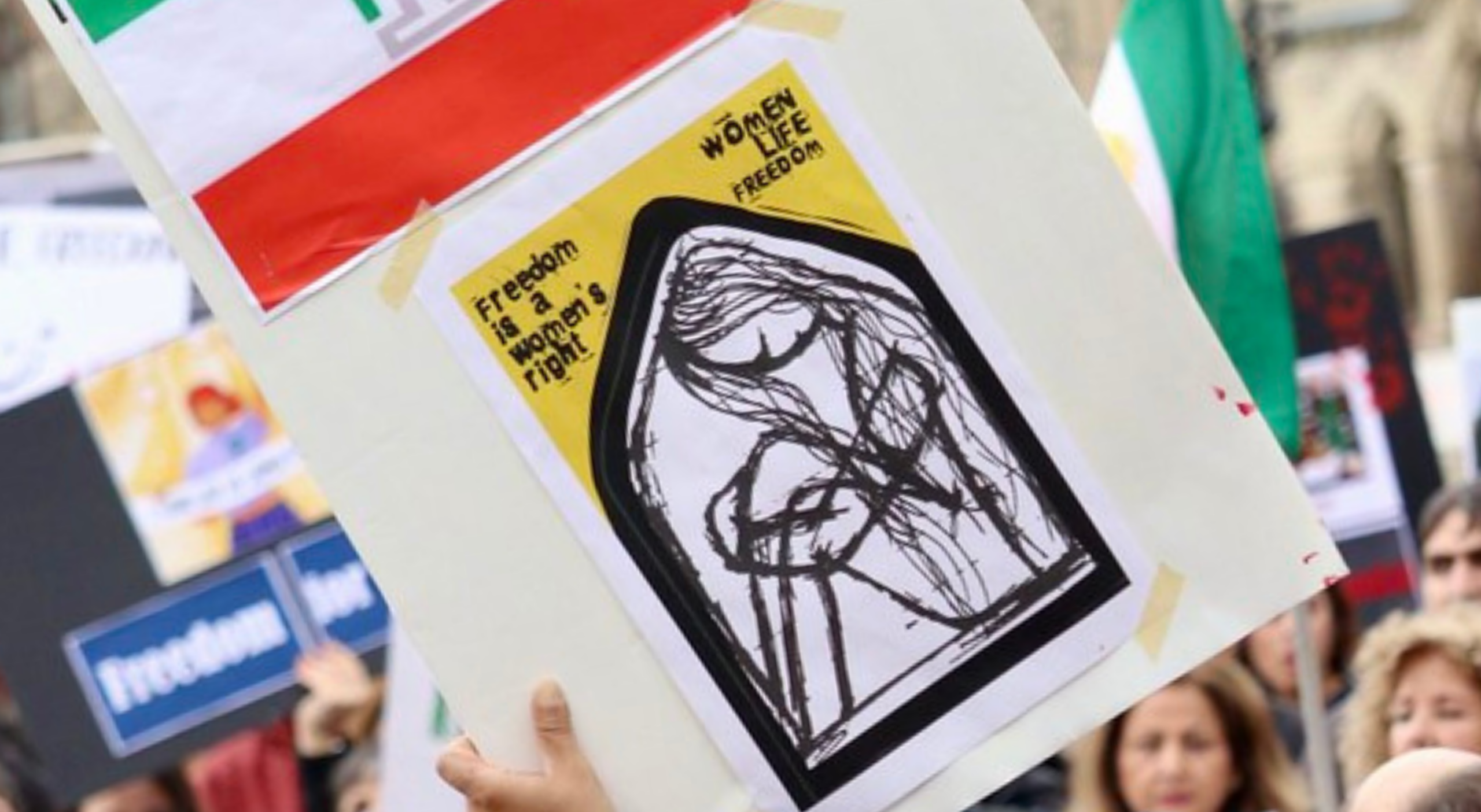
Though Iran’s future is unclear, as several powerful interest groups vie for Iran’s abundance and strategic position, Iranians are steadfast in their fight for Women, Life, Freedom. Though intertwined with culture, religion and politics, class has always been the focal point of the Iranian struggle, from the Islamic Revolution to the one we’re seeing today. A better tomorrow must come, because today could not be any worse.