Reading Time: 3 minutesThese products that promote a fictional account of political action and change sell a cheap satisfaction that is quickly digested by online discourse, shortly before another Hollywood executive greenlights a sequel.
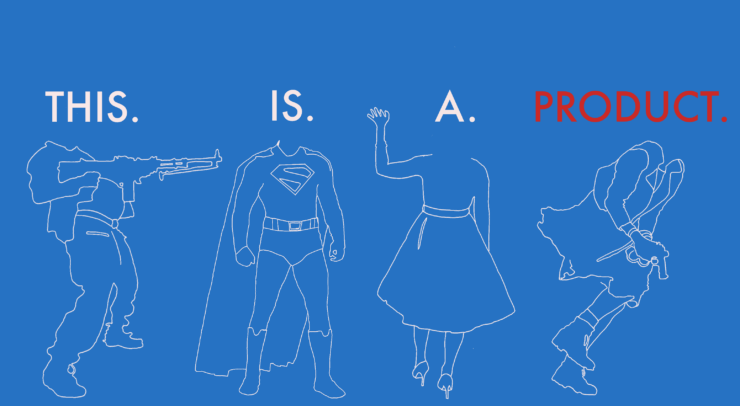

Reading Time: 3 minutesThese products that promote a fictional account of political action and change sell a cheap satisfaction that is quickly digested by online discourse, shortly before another Hollywood executive greenlights a sequel.
Reading Time: 4 minutesThe coming years will test whether these investments truly reach young Canadians — and whether the co-ops, grants, and housing they depend on remain within reach.

Reading Time: 4 minutesThe Undergraduate Journal of Politics, Policy and Society (UJPPS) at the faculty of social science, takes the form of a course. The course code for UJPPS, FSS 4100, is taught by Professor Daniel Stockemer.
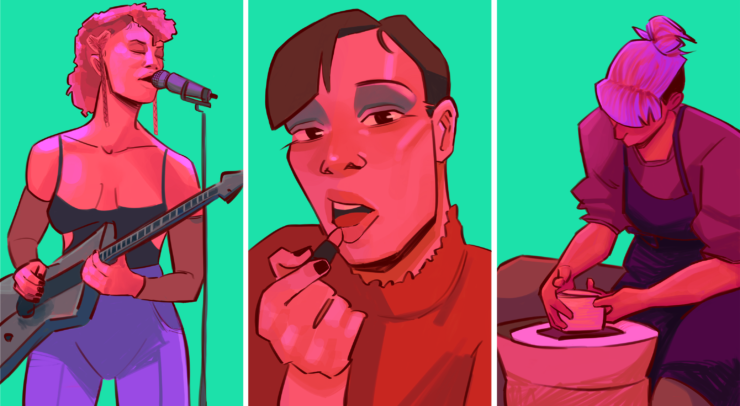
Reading Time: 7 minutes“And I think you need to play to your strengths, which is something I’m trying to do a bit more whether it’s exposing what I do as a student, creative or policy girl.”
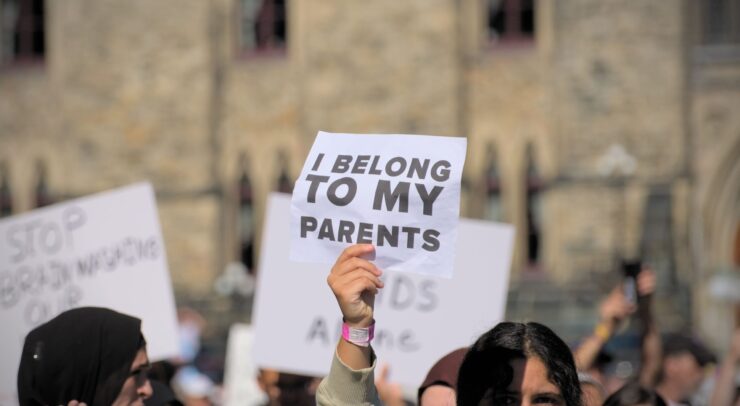
Reading Time: 3 minutesWe can’t give up the fight, they will try to erase us from history, but they’ve been trying for thousands of years and we are still here.

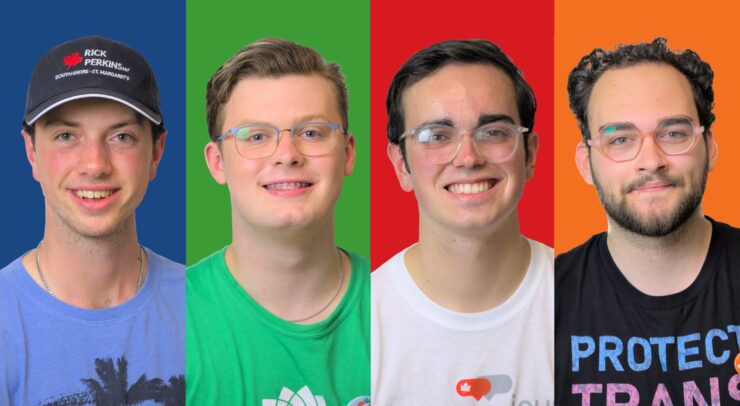
Reading Time: 3 minutesSteven Warren is a 19-year-old who has run for office three times, twice being for the Green Party of Ontario.
Reading Time: 4 minutesDid you know the U of O is home to some of the largest political campus clubs in the country?

Reading Time: 3 minutesOn2Ottawa has recently been in the news holding up traffic and even splashing pink paint on works of art in the National Art Gallery.
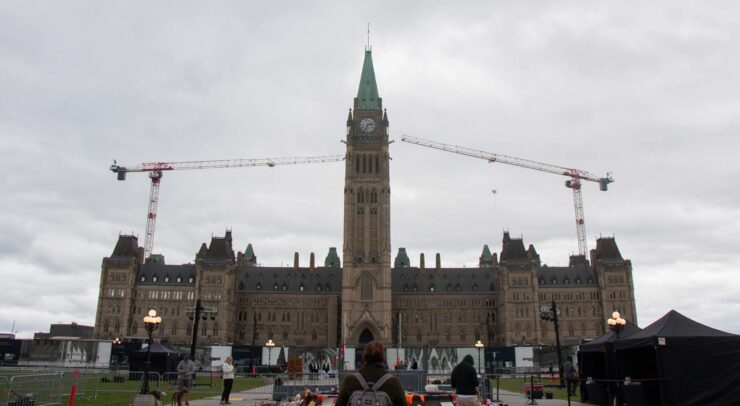
Reading Time: 6 minutesFulcrum Contributor Sydney Greiner on the STCA and Roxham Road.
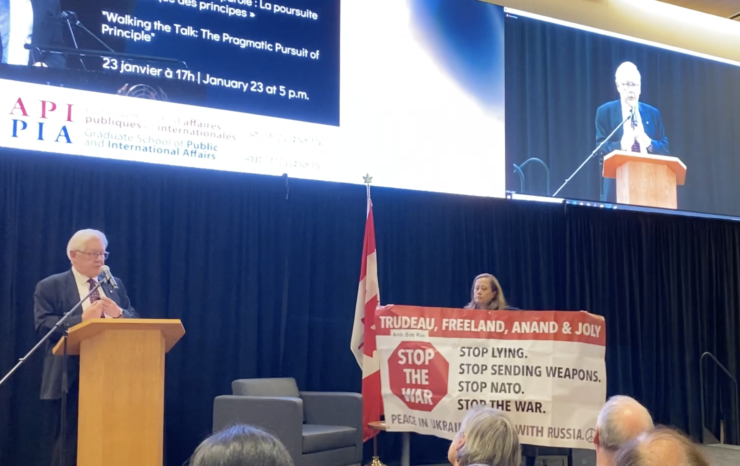
Reading Time: 2 minutesThe Permanent Representative of Canada to the United Nations, Bob Rae, was interrupted by peace activities at University of Ottawa event.

Reading Time: 3 minutesPoliticians need to care about youth priorities and youth need to care about politics.
Reading Time: 8 minutes“The current political system does not easily allow for homelessness to be an issue that gains much attention or commitment from elected officials. This is largely disheartening and reflects poorly upon voters and politicians but it also has the upside of partly keeping bad rhetoric out of the discourse,” writes Quinn Sam, a student entering his second year studying political science and economy at the University of Ottawa.

Reading Time: 3 minutesAccording to communications professor Marcel Chartrand, “with social media, [Trump] assembled fringe groups under a single ideology” which is characterized by the acceptance of all forms of hatred.

Reading Time: 2 minutesFrench school board trustee Lucille Collard has won the provincial byelection in Ottawa-Vanier, which includes both Sandy Hill and the University of Ottawa campus, taking the historically red riding for the Liberals.

Reading Time: < 1 minuteThe provincial government has called a byelection in Ottawa-Vanier, which includes Sandy Hill and the University of Ottawa, for Feb. 27.
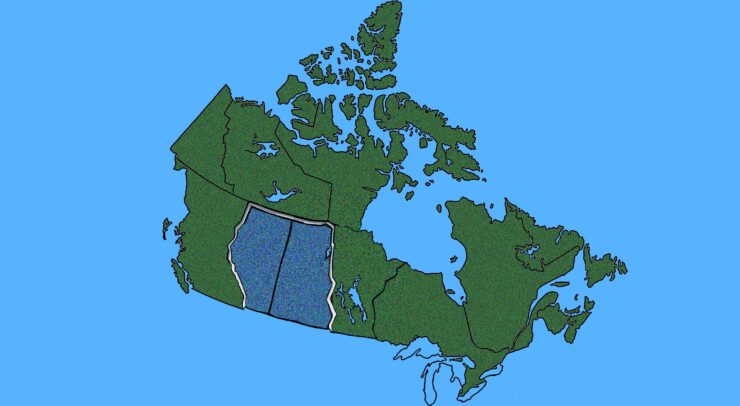
Reading Time: 4 minutesAlthough they are fundamentally in conflict, experts believe climate policy and inclusion of Western interests in Canadian political discourse are not mutually exclusive.
Reading Time: 3 minutesWith a proposed $3.76 billion in spending, the City of Ottawa’s 2020 draft budget looks to improve the city’s troubled transit system by putting $7.5 million toward increasing service reliability while reducing wait times. An additional $15 million has been set aside to build more affordable housing units.
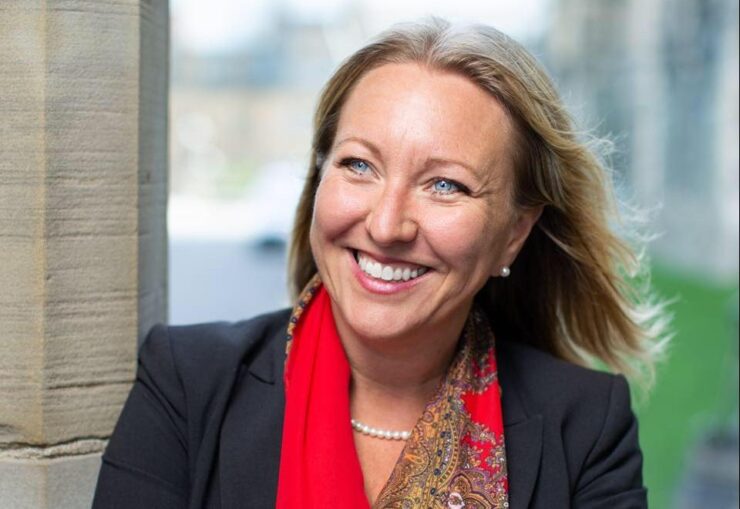
Reading Time: 2 minutesLiberal incumbent Mona Fortier was re-elected as the Member of Parliament for Ottawa-Vanier on Monday night in a decisive win, garnering support from about 50 per cent of the riding’s voters. The NDP’s Stephanie Mercier and the Conservative’s Joel Bernard came second and third respectively.

Reading Time: 2 minutesVoter turnout in people aged 18-24 jumped by 18.3 per cent from the 2011 election to the 2015 election. It’s never been easier to make an informed decision of which candidate and party you want to support, so let’s keep that trend alive.

Reading Time: 7 minutesOver the past 100 years, therapy that sought to force heterosexuality — acquiring the name “conversion therapy” in the 1970s — has been present in Canada. But a mixture of shame and pseudoscience has always been at the root of conversion therapy.
Reading Time: 2 minutesWe hit the streets of the U of O campus to ask students what key issues they’re focusing on ahead of the federal vote on Oct. 21. Some common topics included the climate crisis, affordable education, and boosting the Canadian economy.
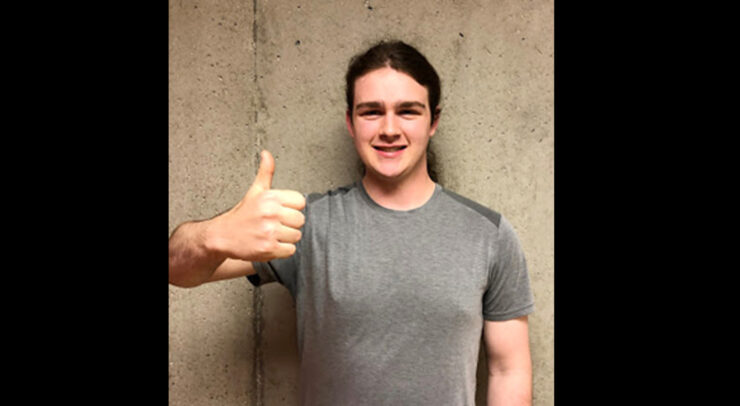
Reading Time: 5 minutes“It’s not really about me. What I’m running for is electoral reform…. So really, I just want people to be able to have more accountability over their elected representatives,” says Keegan Bennett, an independent candidate.

Reading Time: 4 minutes“I live here, I breathe here, I work here, this is my environment. This is where I call home. So, I understand their reality, and the best way to represent people is to understand their reality,” says NDP candidate, Oriana Ngabirano.

Reading Time: 3 minutesFor October’s federal election, most polls are indicating that both the Liberals and Conservatives are tied for Canadians’ support. This means that it is more than likely that either party will end up with less than a majority of the seats in the House of Commons, thereby swinging the determination of the balance of power to the smaller parties.

Reading Time: 3 minutesThis is not the time for Andrew Scheer. The world is staring down the barrel of another global recession, we face an existential threat due to climate change, and the world is increasingly multicultural and interconnected; we cannot afford another leader who ignores this.